※本ページはプロモーションが含まれます
If you only remember one rule, make it this: sleeve every card in polypropylene (never PVC) the moment it leaves the pack, keep it away from direct light and humidity swings, and match the holder to the card’s job — a cheap penny sleeve for bulk, a toploader or magnetic case for anything you’d be upset to lose, and a Card Saver (not a toploader) if it’s headed to a grading company. Get those three things right and you’ve already prevented 90% of the damage that quietly kills a card’s value over the years.
Pokémon cards don’t fail catastrophically — they fail slowly. A slightly bent corner from a loose binder pocket, a faded holo pattern from six months on a sunny shelf, or a sticky residue from a 1999 PVC sleeve are the kinds of things that turn a PSA 10 hopeful into a PSA 7 “still nice, but.” This guide walks through what actually protects cards (and what’s overkill), based on current collector consensus, grading-company submission rules, and archival material science — not just what looks cool on a shelf.
- Why Storage Actually Matters (Not Just Hype)
- Sleeves: Inner, Outer, and “Perfect Fit” Explained
- Toploaders vs. Magnetic Cases vs. Card Savers
- Binder Pages: Side-Loading vs. Top-Loading, and PVC-Free
- Long-Term Protection: Humidity, Light, and Bending
- What to Use for What: A Quick Reference
- Q&A: Common Storage Questions
- Do I need to double-sleeve every card?
- Can I use a toploader for a PSA or CGC submission?
- Is it bad to store cards in the plastic sleeves they came in from a booster pack?
- How do I know if a sleeve or binder page is PVC-free?
- What’s the single best upgrade for someone who’s been storing cards loosely in a box?
- More Trading Card Game Guides
Why Storage Actually Matters (Not Just Hype)
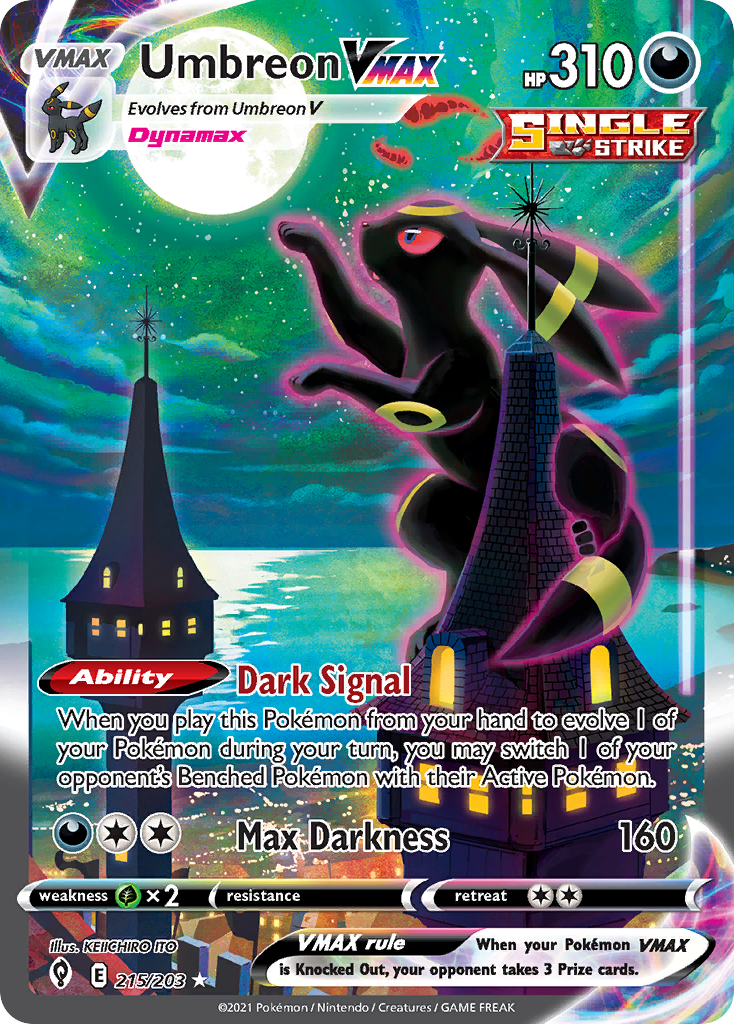
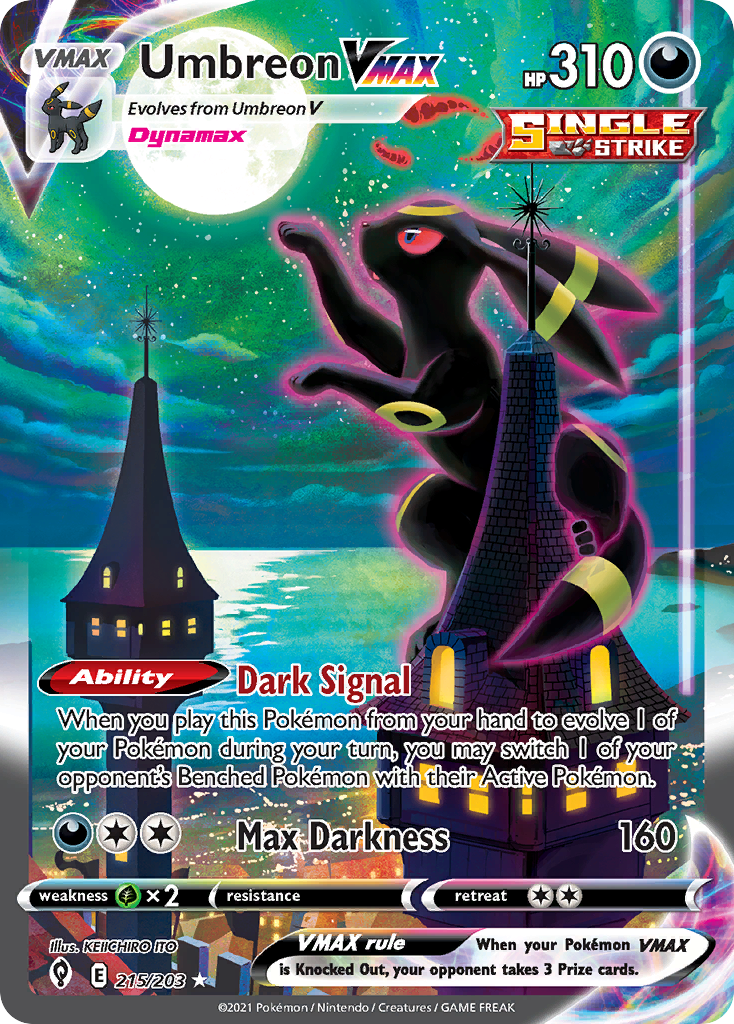
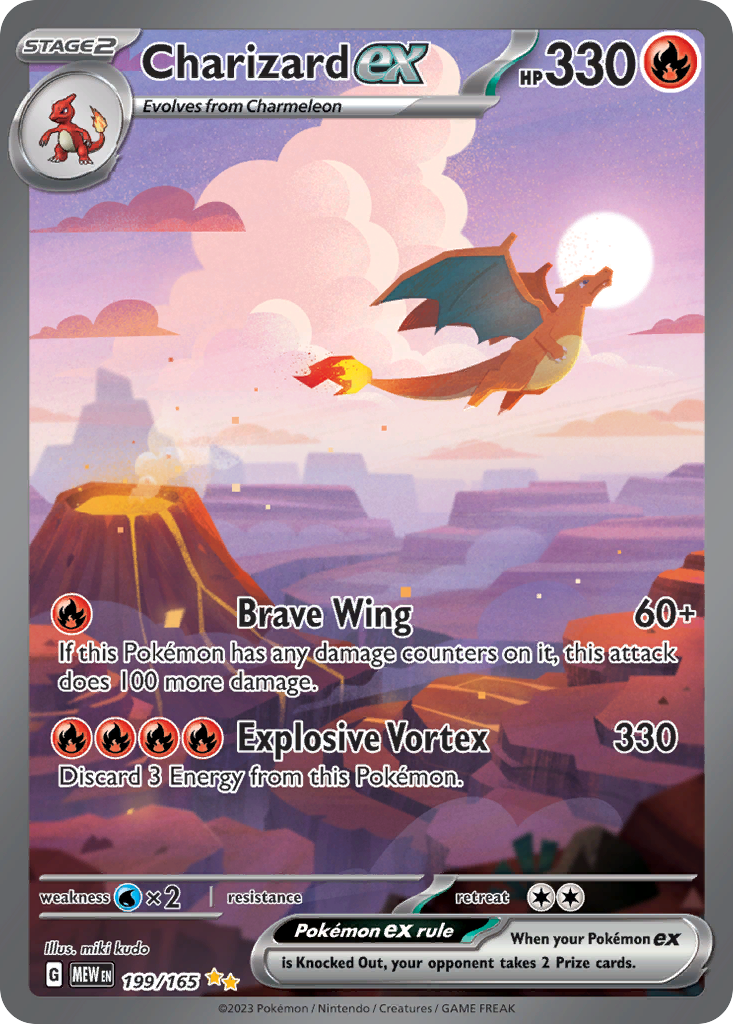
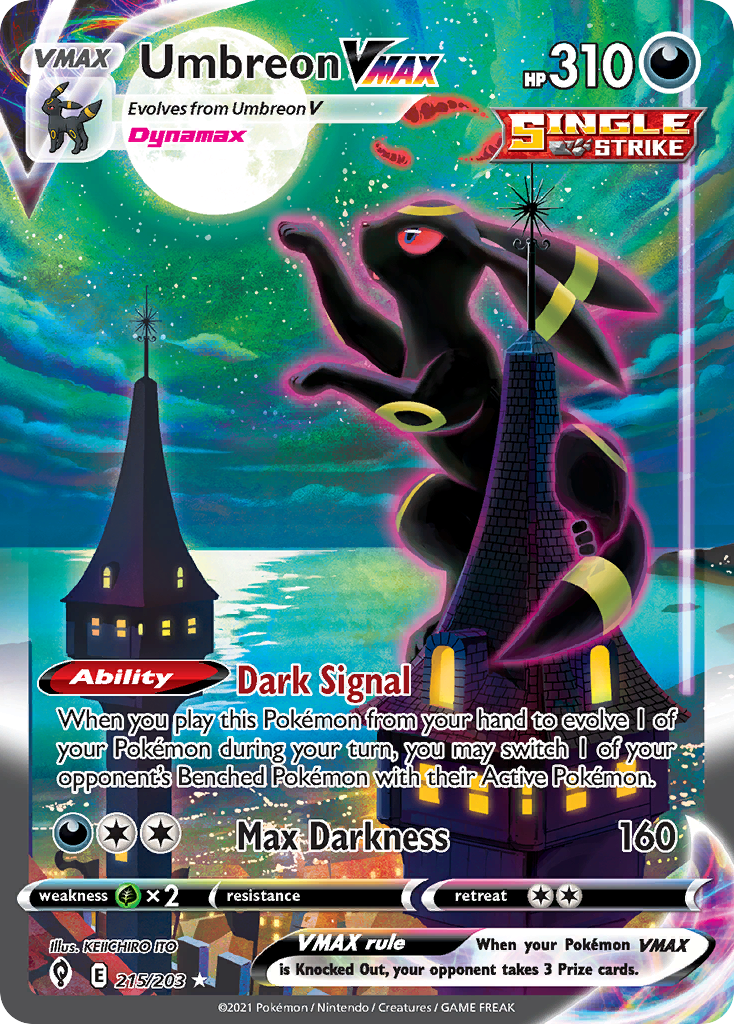
A raw Charizard ex Special Illustration Rare from Pokémon 151 that’s been sitting loose in a shoebox is worth meaningfully less than the same card that’s been double-sleeved and kept flat, once you factor in edge whitening, surface scuffs, and corner dings that show up under grading-company lighting. This isn’t about being precious — it’s that TCGplayer and eBay buyers (and grading companies) can see wear in photos, and “well-cared-for” raw copies consistently sell closer to the top of a price range than beat-up ones. As of August 2026, an Umbreon VMAX Alternate Art (“Moonbreon,” #215/203, Evolving Skies) is trading in the roughly $1,600–$2,300 market range on TCGplayer depending on centering and condition — the kind of card where a $2 magnetic holder is not a hard sell.
That said, don’t let storage anxiety turn into overspending. A bulk common from a recent set doesn’t need the same treatment as a $500 alt art — matching the protection tier to the card’s actual value is the whole game here.
Sleeves: Inner, Outer, and “Perfect Fit” Explained
Penny sleeves (standard 2.5″ x 3.5″ polypropylene sleeves) are the baseline. They’re loose-fitting on purpose — that looseness is what lets a card slide easily in and out of binder pockets and toploaders without friction. Buy these in bulk; every card that isn’t already in a rigid holder should be in one.
Perfect Fit sleeves are a thinner, snugger inner sleeve (Ultra Pro and Dragon Shield both make popular versions) designed to hug the card almost edge-to-edge, closing off the gap that a standard penny sleeve leaves open at the top. Used alone they’re a bit fragile-feeling, but their real job is double-sleeving: card → Perfect Fit inner sleeve → standard penny sleeve → toploader or magnetic case. That combination blocks dust, moisture, and edge wear far better than a single sleeve, which is why it’s the standard setup serious collectors use for anything above roughly $50-$100 in value.
Outer/deck sleeves (Ultra Pro Pro-Fit, Dragon Shield Matte, Ultra Pro Eclipse, etc.) are the ones you’d actually play with in a Standard-format deck — opaque-backed so opponents can’t read card backs through wear patterns, and rated for hundreds of shuffles. Ultra Pro Perfect Fit sleeves and Dragon Shield Perfect Fit sleeves are both reasonable starting points for inner sleeves; for gameplay-grade outer sleeves, Ultra Pro Pro-Fit outer deck sleeves is a common choice at local game stores.
The catch: cheap no-name sleeves — especially ones sold in huge bulk packs on marketplaces without a stated material — are sometimes still PVC-based despite claiming otherwise, and PVC off-gasses plasticizers that can leave a tacky film on foil cards over years. If a sleeve smells strongly “plastic-y” out of the bag or a card feels sticky after storage, stop using that batch. Look for sleeves explicitly labeled polypropylene or “archival safe.”
Toploaders vs. Magnetic Cases vs. Card Savers
| Holder type | Best for | Rigidity | Grading-safe? | Typical cost |
|---|---|---|---|---|
| Penny sleeve | Bulk, binder prep | None | Combine with Card Saver | ~$0.02-0.05/card |
| Perfect Fit inner sleeve | Double-sleeving valuable cards | Very low | Combine, not alone | ~$0.05-0.10/card |
| Toploader (35pt/40pt) | Individual storage, shipping | Rigid | No | ~$0.15-0.30/card |
| Card Saver I (semi-rigid) | Grading submissions | Semi-rigid | Yes — required | ~$0.10-0.20/card |
| Magnetic one-touch case | Display, showcase pieces | Rigid, screw-secured | No | $2-15/card |
Toploaders are rigid PVC-free plastic holders that stop a card from bending — the standard for shipping singles and for shelf storage in card boxes. Ultra Pro 35pt/40pt toploaders cover most modern cards; thicker cards (like some jumbo or textured releases) need a higher-pt size.
Magnetic (one-touch) cases screw shut around the card and typically include a UV-blocking additive in the acrylic, which genuinely does slow color fading if a card is going to be displayed somewhere with ambient light. They look great, but they’re overkill (and expensive) for anything you’re not planning to display or hold long-term outside a box — reserve them for genuine chase cards.
Card Saver I is a semi-rigid sleeve, not a hard case, and it’s what PSA, CGC, and BGS all specifically want cards shipped in for submission — not a toploader. Graders need to slide the card out without friction against the edges, and a rigid toploader makes that harder and riskier for the card’s corners. If you’re planning to grade something eventually, store it in a Card Saver from day one so you’re not re-handling it later. BCW Card Saver I (semi-rigid) is the commonly stocked option at card shops and on TCGplayer.
The catch with magnetic cases: the screws can loosen with repeated opening/closing, and a card that’s improperly centered inside can pick up minor stress marks against the case edge over years of handling. They’re a display solution first, an archival solution second.
Binder Pages: Side-Loading vs. Top-Loading, and PVC-Free
If you’re building a binder for a full set run or a personal “keeper” collection, two things matter more than brand: loading direction and material.
- Side-loading pages (pocket opens on the side, not the top) are the safer choice for anything valuable — flipping pages repeatedly can’t work a card loose and drop it out, which is a real risk with old-style top-loading 9-pocket pages.
- PVC-free, acid-free material is non-negotiable for long-term storage. Old-school vinyl binder pages from the ’90s and 2000s are a known cause of the sticky, cloudy residue collectors sometimes find on vintage holos — the plasticizers in PVC migrate onto the card surface over years of contact, especially in a hot garage or attic. Reputable modern lines like Ultra PRO’s Platinum Series, Vault X, and Dragon Shield all explicitly market their pages as PVC-free now, but it’s still worth checking the packaging rather than assuming.
- Always sleeve the card in a penny sleeve before it goes into the binder pocket — the pocket material rubbing directly against a raw foil surface during insertion and removal is a slow, cumulative source of scratches.
Ultra PRO Platinum Series 9-Pocket Side-Loading Pages and Vault X 9-Pocket Exo-Tec Zip Binder are both solid options if you want a zip-closed binder that also keeps out dust between sessions — useful if the binder travels to locals or tournaments rather than sitting on a shelf.
The catch: binders are a display/access format, not the most protective long-term storage. Every time you flip a page, the card inside experiences a small amount of flex and pressure. For your genuine grails, a binder is for showing them off — a monobox or magnetic case is for actually keeping them safe.
Long-Term Protection: Humidity, Light, and Bending
This is the part collectors skip until they open a box of childhood cards and find warping or cloudy foil. Three environmental factors do most of the damage over years, not days:
Humidity. Cardstock and foil layers absorb moisture from the air, and repeated humidity swings (not just “too humid,” but going up and down) cause warping and can encourage foil delamination over time. Aim to store cards in a stable environment around 40-50% relative humidity — a sealed plastic storage tote with a few silica gel packets inside does most of the work if you don’t have climate control. Avoid basements, garages, and attics for long-term storage; temperature and humidity swing the most in those spaces.
Light, especially UV. Direct sunlight and even some fluorescent lighting will visibly fade holo foil and ink saturation over months of continuous exposure — it’s the same reason posters and comic covers fade near a window. If you display cards, use magnetic cases with UV-blocking acrylic or keep display shelving out of direct sun, and rotate what’s on display rather than leaving the same card under light indefinitely.
Bending and pressure. Storing toploaders standing upright and tightly packed (not loose or stacked flat with weight on top) prevents slow warping. A stack of loose toploaders with a heavy box sitting on top for a year will produce a very slight bow in the cards inside, even without a dramatic single bend. Cardboard “monster boxes” designed for toploader storage keep cards upright, which is the safer default over a shoebox where things shift around.
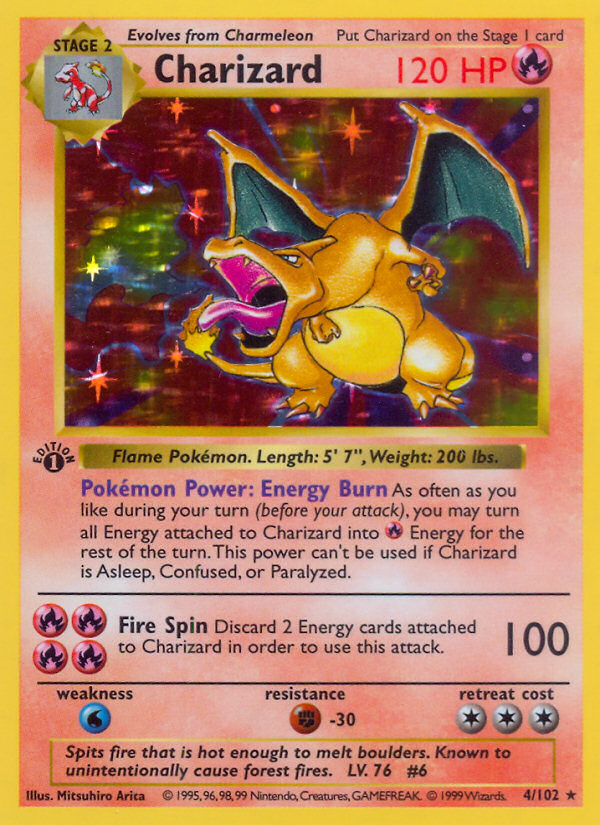
Base Set-era vintage cards need extra care. Original 1999-2000 cards (like the classic Base Set Charizard, #4/102) were printed with different card stock and inking than modern Scarlet & Violet-era prints, and many spent decades in non-archival PVC binders before the collecting boom made people care about this. If you’re storing genuine vintage, double-sleeve and avoid any leftover ’90s-era binder pages entirely, even if they “look fine” — the damage from old PVC is often not visible until you try to remove the card.
What to Use for What: A Quick Reference
- Playing a Standard-format deck: outer deck sleeves only, swap every year or two as they wear.
- Bulk commons/uncommons you’re keeping “just in case”: penny sleeves in a bulk box or 3200-count box.
- A $20-$100 card you like but aren’t grading: penny sleeve + toploader, stored upright in a monster box.
- A $100+ chase pull (SIR, alt art, ex) you might grade later: Card Saver I, not a toploader — save yourself the re-sleeving step.
- A grail you’re keeping raw and displaying: double-sleeve (Perfect Fit + penny sleeve) inside a magnetic UV case.
- A full set or long-term binder collection: side-loading, PVC-free 9-pocket pages, cards individually sleeved first.
Q&A: Common Storage Questions
Do I need to double-sleeve every card?
No — double-sleeving (Perfect Fit inner + penny sleeve outer) is worth the extra cost mainly for cards you’d actually be upset to see damaged, roughly $50 and up, or anything you plan to submit for grading. For bulk commons and low-value holos, a single penny sleeve plus a toploader or binder pocket is sufficient.
Can I use a toploader for a PSA or CGC submission?
Don’t — send cards to grading companies in a semi-rigid Card Saver I (or Card Saver II for thicker cards), placed inside a penny sleeve, not a rigid toploader. Toploaders can slow processing and, more importantly, make it slightly riskier for graders to remove the card without corner damage during extraction.
Is it bad to store cards in the plastic sleeves they came in from a booster pack?
Not immediately, but those thin factory sleeves (when present) aren’t designed for years-long storage — swap into a proper penny sleeve within a reasonable timeframe, especially before the card goes into long-term humidity-controlled storage.
How do I know if a sleeve or binder page is PVC-free?
Check the packaging for an explicit “PVC-free” or “polypropylene” label — reputable brands state this clearly. If a product doesn’t mention its material at all, especially unbranded bulk listings on marketplaces, treat that as a yellow flag and buy from a known line instead.
What’s the single best upgrade for someone who’s been storing cards loosely in a box?
Sleeve everything in penny sleeves first — it’s the cheapest fix with the biggest impact — then move your top 10-20 most valuable cards into toploaders or a magnetic case and store the rest in a monster box away from direct sunlight and humidity swings.
Card prices mentioned above (like the Umbreon VMAX Alternate Art range) reflect market data as of August 2026 and fluctuate constantly — this article is a storage guide, not financial advice, and shouldn’t be read as a signal to buy or sell.
More Trading Card Game Guides
- How to Store & Display Naruto TCG Cards: Sleeves to Binders (Naruto Card Game)
- How to Store One Piece Card Game Cards (2026 Guide) (One Piece Card Game)
- How to Store Dragon Ball Super Card Game Cards Properly (Dragon Ball Super Card Game)
Comments