※本ページはプロモーションが含まれます
Disclosure: This post contains affiliate links. If you buy through them, we may earn a commission at no additional cost to you. Learn more.
Look at the bottom-left corner of any Pokémon card and you’ll find two words in about 5-point type: “Illus.” followed by a name. That name is the single most under-used organizing principle in the hobby. Collecting by illustrator instead of by set is cheaper than almost any other approach — most of a given artist’s catalog is commons and uncommons trading for pocket change — and it gives you a collection with an actual visual identity instead of a binder full of whatever the algorithm told you was hot.
The catch, which I’ll get into with real numbers below: an artist credit alone does almost nothing to a card’s price. What it does is give you a lane to collect in that nobody’s speculating on.
- Where the artist credit lives, and how to search it
- Six illustrators worth building a run around
- Mitsuhiro Arita — 722 cards, and the one everybody starts with
- Yuka Morii — 204 cards, and none of them are drawings
- Akira Egawa — 85 cards, mostly the expensive ones
- Naoki Saito — 271 cards, and the Trainer-card specialist
- Keiichiro Ito — 55 cards, one of which is “Moonbreon”
- sowsow and miki kudo — the quieter names
- What an artist credit actually does to price
- The downsides nobody mentions
- Signed cards: the biggest premium and the biggest risk
- How to actually start an artist run
- Q&A: Is collecting by artist a good investment strategy?
- FAQ
- The takeaway
- More Trading Card Game Guides
Where the artist credit lives, and how to search it
On every English Pokémon card from Base Set onward, the illustrator credit sits in the bottom-left of the card face, under the artwork frame on older cards and tucked into the bottom border on modern full-arts. Japanese cards use the same convention. The name is printed exactly as the artist submits it, which is why you’ll see all-caps credits (AKIRA EGAWA, KEIICHIRO ITO), lowercase mononyms (sowsow, miki kudo), and standard Western-order names (Mitsuhiro Arita) side by side in the same set.
Two practical ways to search by that name:
- The Pokémon TCG API supports
artist:"Name"queries and is free for light use. Every count in this article came from it. - TCGplayer and Cardmarket both let you filter search results by artist on card listing pages, which is how you actually buy the things once you’ve built a want list.
One quirk worth knowing before you start: the API’s artist field is blank for a handful of recent sets, Prismatic Evolutions among them. If a card comes back with no credit, check the physical card or a scan rather than assuming it’s uncredited.
Six illustrators worth building a run around
I picked these six because they’re active, they have deep enough catalogs that a “run” is actually achievable, and their styles are distinguishable at arm’s length. Card counts below are English-language entries indexed by the Pokémon TCG API as of August 19, 2026 — they include reprints across sets, so treat them as catalog depth, not unique artworks.
Mitsuhiro Arita — 722 cards, and the one everybody starts with
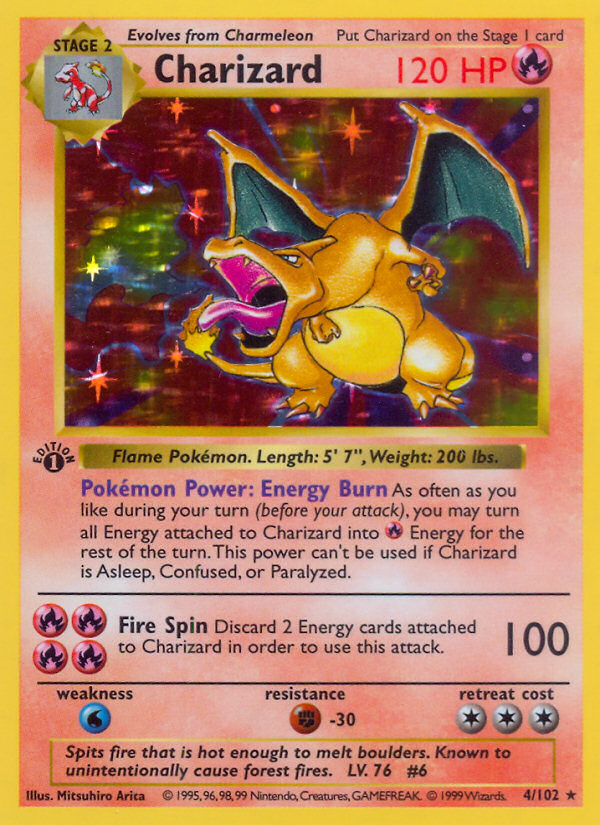
Arita illustrated Base Set Charizard (base1-4) and Base Set Pikachu (base1-58) in 1999, which is roughly the art-history equivalent of having drawn the cover of a record everybody owns. He’s still working: his most recent credits include Team Rocket’s Mewtwo ex (Ascended Heroes, me2pt5-281) and Keldeo in Chaos Rising (me4-19).
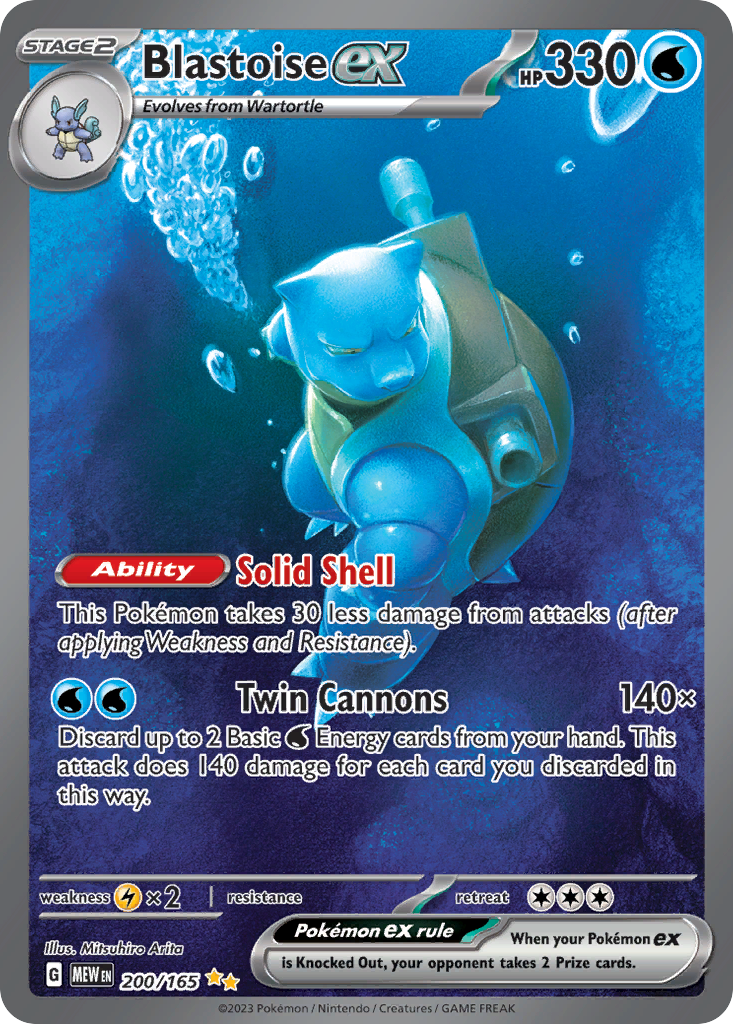
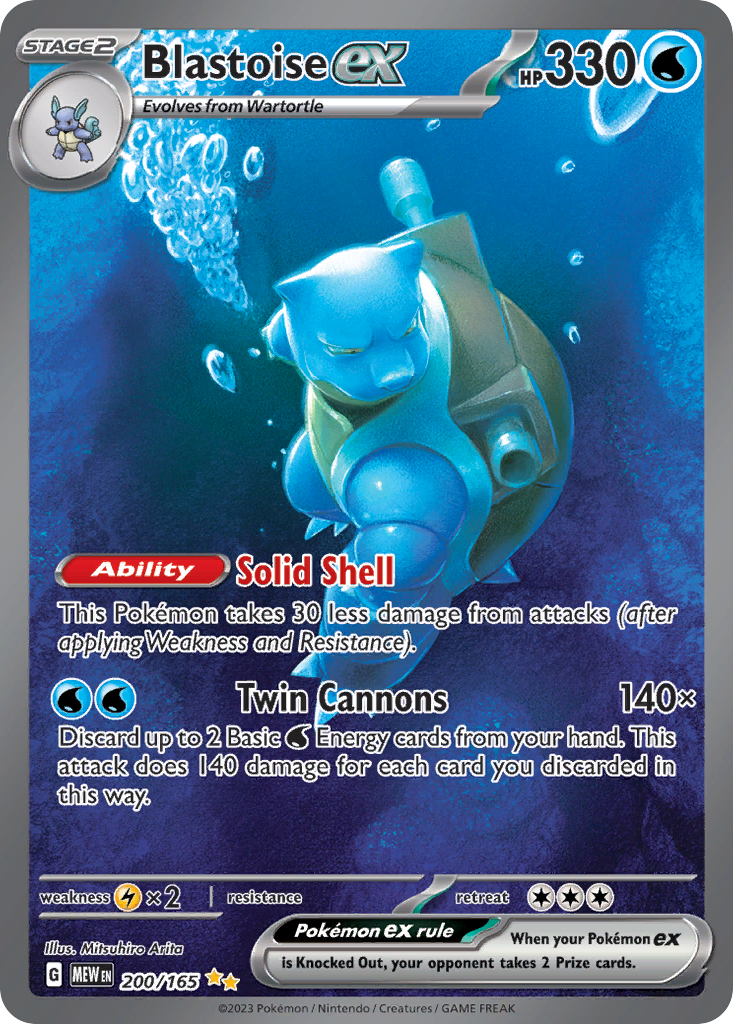
In a 2018 interview with Pokemon.com he described his approach as trying to know each Pokémon “as a living creature” before drawing it, and told GamesRadar he assumed he’d never top the original Charizard and Pikachu. That’s a fair self-assessment of the market, at least — but his modern work is where an Arita run gets affordable. His Squirtle Illustration Rare from 151 (sv3pt5-170) and Blastoise ex Special Illustration Rare (sv3pt5-200) are both genuinely great cards at a fraction of vintage money.
The caveat: Arita is the most-signed artist at conventions, which means his name shows up on a lot of forged autographs. More on that below.
Yuka Morii — 204 cards, and none of them are drawings
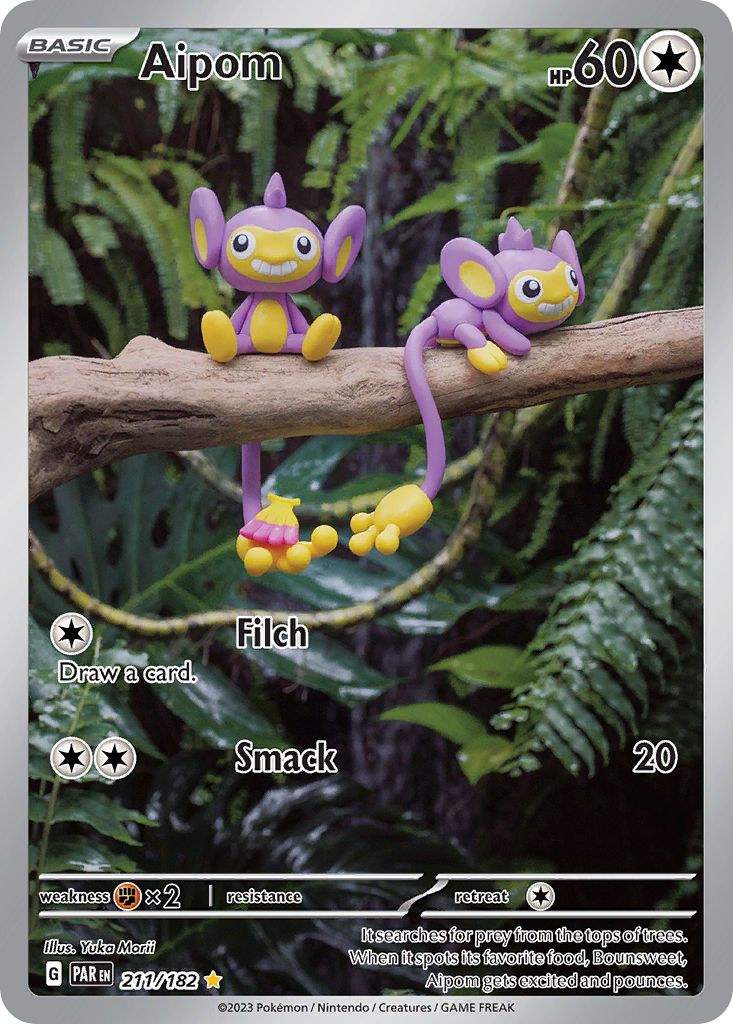
Morii doesn’t paint. She sculpts each Pokémon in clay, builds a miniature physical set around it — pebbles, leaves, teacups — and photographs the result. Her first Pokémon cards appeared in Neo Discovery (English release June 2001), including an Omanyte, and she’s been working continuously since; her clay models have been shown publicly at the “From Hands to Life” exhibitions in 2021 and 2023.
Her cards are the easiest to spot in a binder because clay catches light in a way paint and pixels don’t. Recent standouts: Aipom (Paradox Rift, sv4-211) and Klinklang (Black Bolt, zsv10pt5-141), both Illustration Rares.
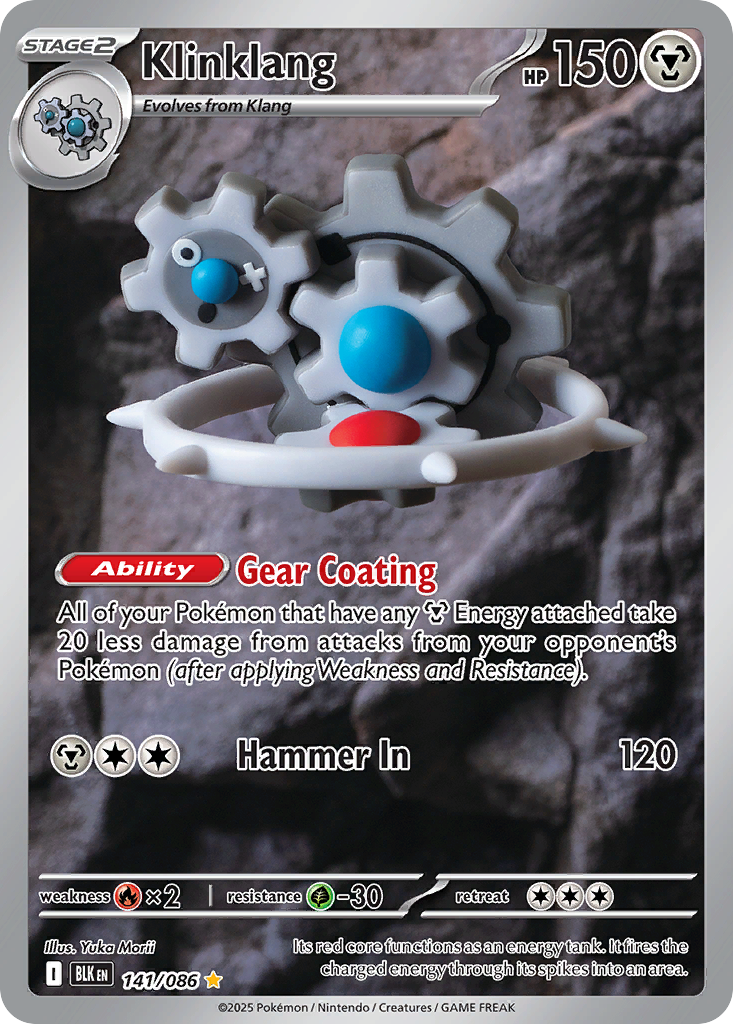
The caveat: Morii is almost never given the marquee chase card. Her catalog skews heavily toward commons and uncommons, which is great for a cheap complete run and bad if you were hoping the collection appreciates like a Charizard.
Akira Egawa — 85 cards, mostly the expensive ones
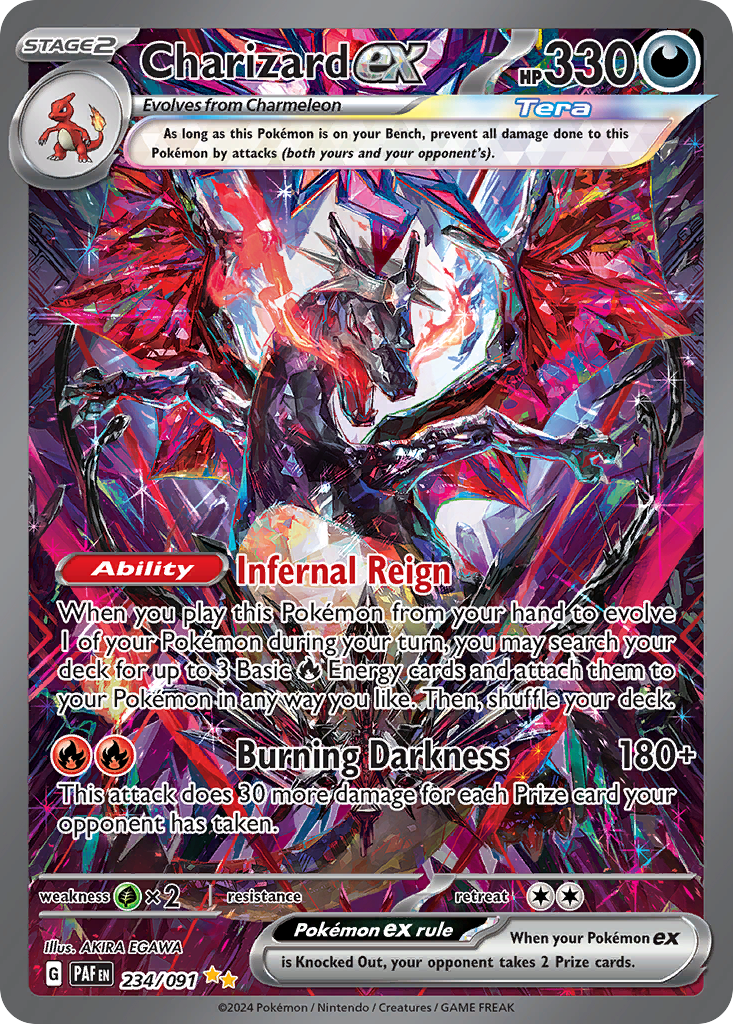
Egawa’s first credits landed in Unified Minds (August 2019), and in the years since he’s become the go-to artist for high-drama Special Illustration Rares. His resume includes two different Charizard ex SIRs (Obsidian Flames sv3-223 and Paldean Fates sv4pt5-234), Team Rocket’s Moltres ex (Destined Rivals, sv10-229), and Mega Darkrai ex, the headline chase card of Pitch Black (me5-116).
The caveat: an Egawa run is expensive precisely because he draws chase cards. Only 85 entries, but a disproportionate number sit above $100.
Naoki Saito — 271 cards, and the Trainer-card specialist
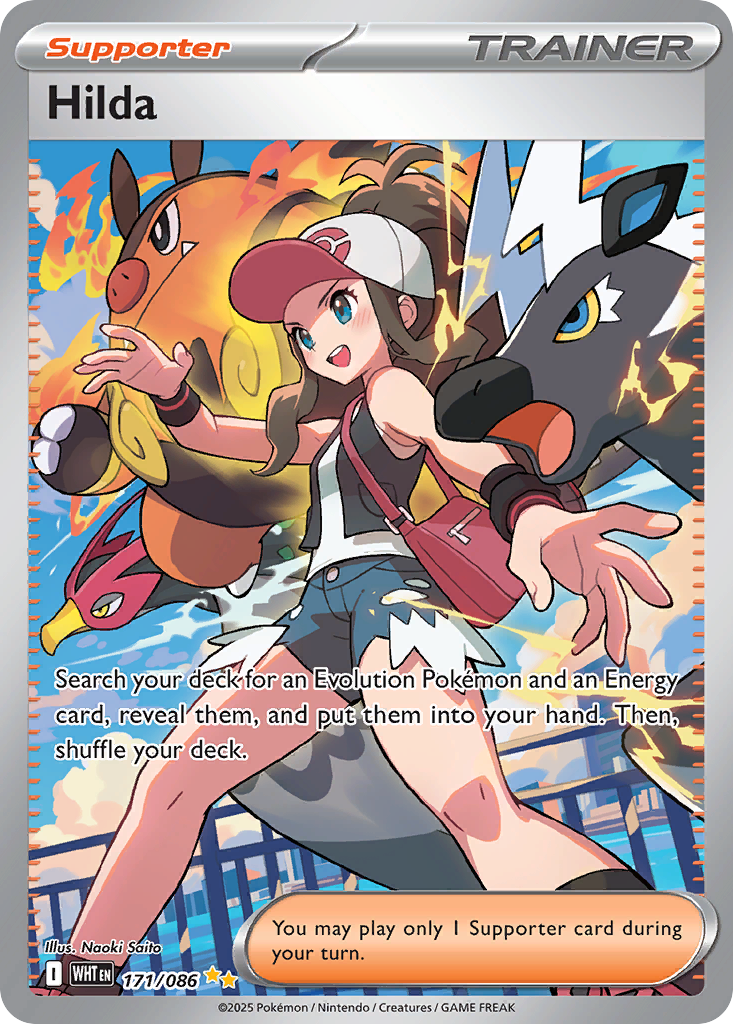
Saito, a Japanese illustrator and manga artist born in 1982, has been contributing to the Pokémon TCG since HeartGold & SoulSilver (February 2010). His niche is human characters: Hilda (White Flare, rsv10pt5-171), Lillie’s Clefairy ex (Ascended Heroes, me2pt5-280), Perrin, Tulip, Team Rocket’s Proton, Gwynn in Pitch Black. If you like Supporter-card art, this is the run to build.
The caveat: Trainer SIRs are the most rotation-sensitive corner of the market. Lillie’s Clefairy ex is currently a top-tier competitive card, and a meaningful slice of its price is players buying playsets, not collectors buying art. That component evaporates on rotation.
Keiichiro Ito — 55 cards, one of which is “Moonbreon”
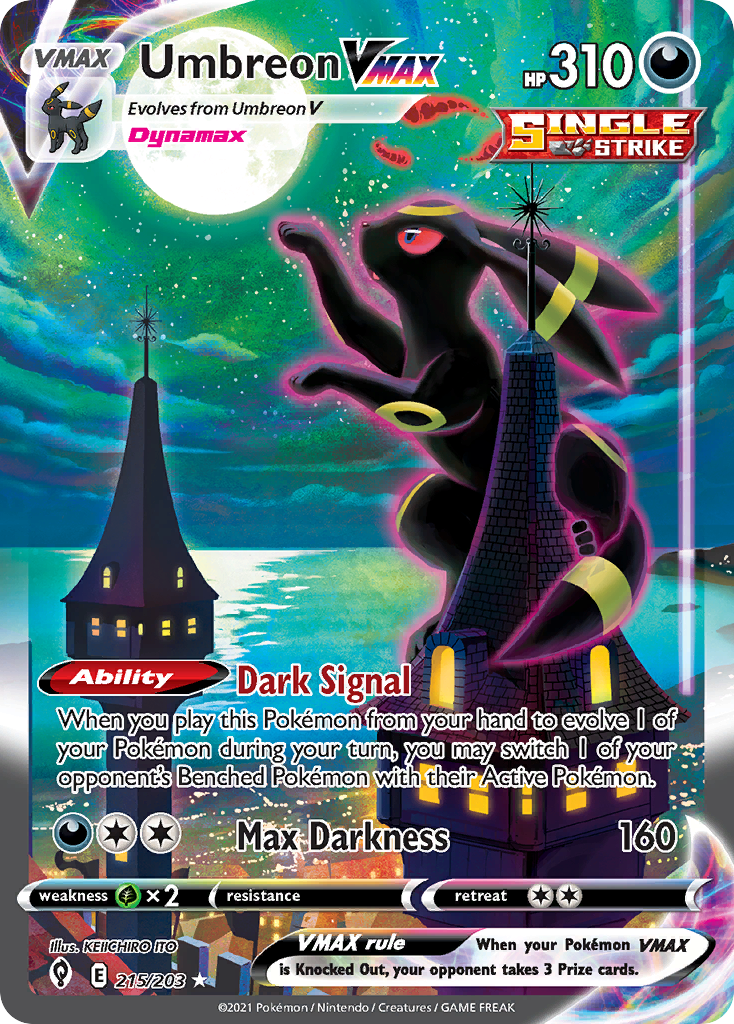
Ito debuted in Unified Minds alongside Egawa in 2019 and has the smallest catalog on this list — 55 entries — but one of them is Umbreon VMAX Alternate Art from Evolving Skies (swsh7-215), the card the community calls Moonbreon and one of the most valuable modern Pokémon cards in existence.
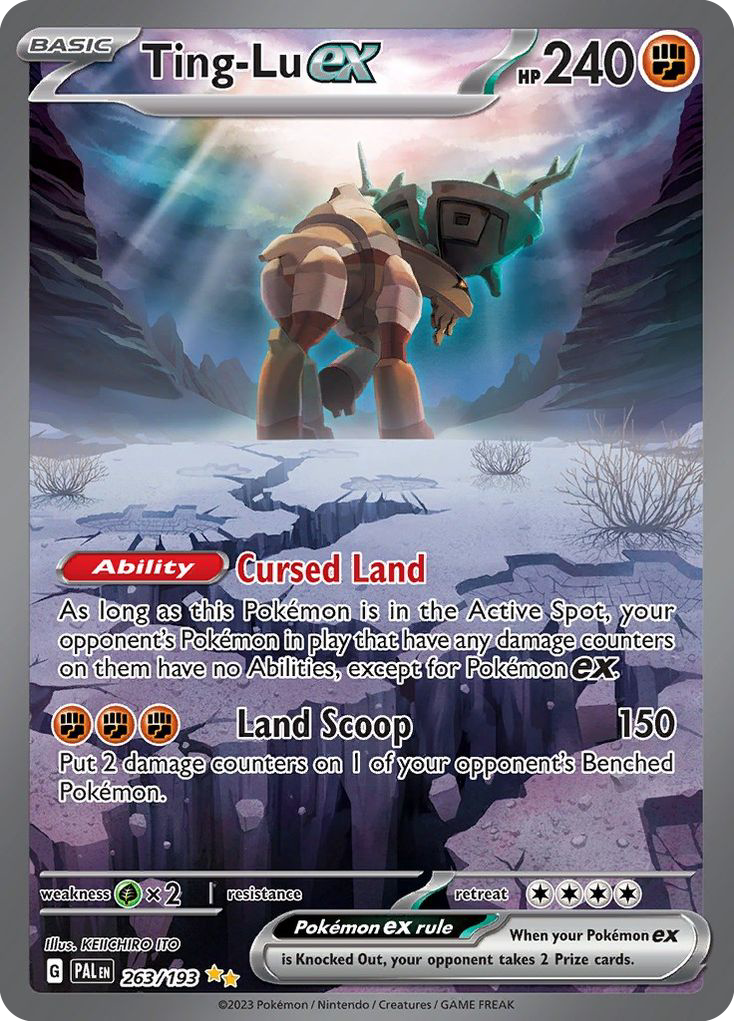
Here’s the useful part for anyone testing the “does the artist matter” theory: Ito also illustrated Ting-Lu ex Special Illustration Rare (Paldea Evolved, sv2-263). Same artist, same top-shelf rarity tier. As of August 19, 2026, Moonbreon’s TCGplayer market price is $2,342.47 and Ting-Lu ex is $11.22.
sowsow and miki kudo — the quieter names
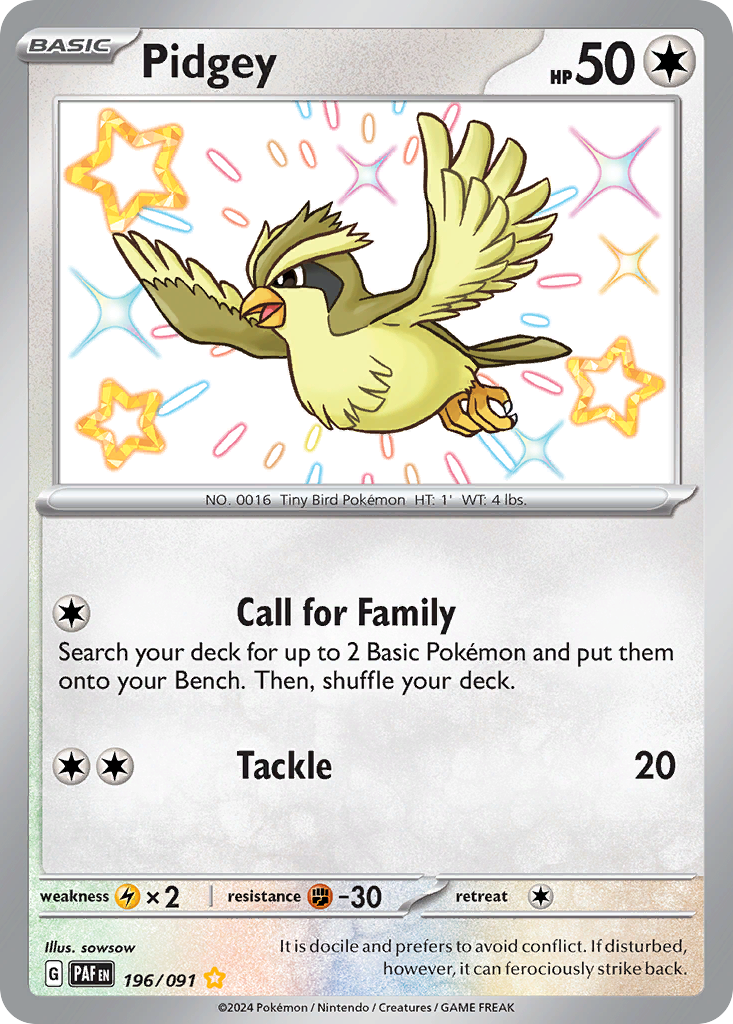
Two more worth putting on a watchlist. sowsow (108 cards, first credits in Forbidden Light, May 2018) works in a soft, contemporary anime-influenced style and mostly gets commons — including a nicely done Pidgey Shiny Rare in Paldean Fates (sv4pt5-196). miki kudo (58 cards) has a much smaller catalog but drew the Charizard ex Special Illustration Rare in 151 (sv3pt5-199), which is one of the best-known modern cards on the market.
What an artist credit actually does to price
Not much. Here’s the evidence, all TCGplayer market prices pulled on August 19, 2026:
| Card | Artist | Rarity | Market price |
|---|---|---|---|
| Umbreon VMAX (Evolving Skies, swsh7-215) | Keiichiro Ito | Alt Art Secret | $2,342.47 |
| Charizard (Base Set, base1-4) | Mitsuhiro Arita | Rare Holo | $855.52 |
| Charizard ex (151, sv3pt5-199) | miki kudo | Special Illustration Rare | $367.23 |
| Charizard ex (Paldean Fates, sv4pt5-234) | Akira Egawa | Special Illustration Rare | $286.62 |
| Blastoise ex (151, sv3pt5-200) | Mitsuhiro Arita | Special Illustration Rare | $139.75 |
| Squirtle (151, sv3pt5-170) | Mitsuhiro Arita | Illustration Rare | $92.08 |
| Hilda (White Flare, rsv10pt5-171) | Naoki Saito | Special Illustration Rare | $52.75 |
| Klinklang (Black Bolt, zsv10pt5-141) | Yuka Morii | Illustration Rare | $33.19 |
| Aipom (Paradox Rift, sv4-211) | Yuka Morii | Illustration Rare | $29.19 |
| Excadrill ex (Black Bolt, zsv10pt5-168) | Mitsuhiro Arita | Special Illustration Rare | $23.20 |
| Ting-Lu ex (Paldea Evolved, sv2-263) | Keiichiro Ito | Special Illustration Rare | $11.22 |
| Wattrel (Twilight Masquerade, sv6-178) | Mitsuhiro Arita | Illustration Rare | $5.63 |
Read the Arita rows in isolation. Same illustrator, four cards, spanning $855.52 down to $5.63. His Excadrill ex Special Illustration Rare sits at $23.20 while Egawa’s Charizard ex at the identical rarity tier is $286.62. The variable isn’t the signature at the bottom of the card — it’s which Pokémon is on it, which set it came from, and how many people are chasing that set.
That’s the honest framing for artist collecting: it’s an aesthetic and organizational strategy, not a pricing edge. Prices move fast in this hobby and everything above is a snapshot of one day — none of this is financial advice.
The downsides nobody mentions
Completion is genuinely hard. A 722-card Arita run means tracking reprints across 25+ years of sets, including promos that were regional-exclusive. Even a “modern only” cut-off leaves you hunting Japanese-exclusive prints. Compare that to a set master-set, where the checklist is finite and printed on the box.
Artist attribution isn’t always clean. Studio credits like “5ban Graphics” cover design work rather than a single illustrator, some cards are co-credited, and — as noted above — the API’s artist field is blank for some sets entirely. You will hit cards where “who drew this” has no tidy answer.
Artist popularity is a trend, not a constant. The illustrators collectors chased in 2021 aren’t identical to the ones chased now, and a name that’s hot because of one breakout card can cool when the next set ships. If you buy an artist’s back catalog because you expect a “name premium” to arrive later, you’re speculating on taste.
Commons are cheap for a reason. A complete Yuka Morii run will cost you far more in shipping, sleeves, and hours than in card prices, and it will never have a resale story. That’s fine if you want it for the shelf. It’s a bad plan if you want an exit.
Signed cards: the biggest premium and the biggest risk
Artist signatures are where artist collecting collides with real money. Arita signs at conventions, and PSA-authenticated Arita autographs command large multiples over the unsigned card — one widely-cited example is a 20th Anniversary Gyarados holo that sold for $2,500 signed, reportedly around 30x its unsigned value.
A few things to understand before you chase one:
- Authentication costs extra. Autograph authentication runs roughly $25–$150+ on top of the standard grading fee, depending on service level, and dual grading (card grade + auto grade) turnaround runs about 90–120 business days on economy tiers versus 30–45 on express, as of 2026.
- PSA won’t authenticate pencil. Only permanent ink is eligible.
- Unauthenticated signed cards are a coin flip. A Sharpie squiggle costs a forger nothing and the premium is enormous. If a signature is the reason you’re paying up, buy it already slabbed with an authenticated autograph, or buy it in person at the event where it was signed.
If you’re new to third-party authentication generally, our PSA vs. CGC vs. BGS grading guide covers how the services differ, and how to buy Pokémon cards online safely covers marketplace red flags that apply doubly here.
How to actually start an artist run
- Pick one artist and one era. “Every Yuka Morii card” is a decade-long project. “Every Yuka Morii Illustration Rare from Scarlet & Violet onward” is a weekend of want-list building and a few months of buying.
- Build the checklist first. Query
artist:"Name"on the Pokémon TCG API, or filter by artist on TCGplayer, and export it before you spend anything. - Buy the commons in bulk, the rares individually. Most of any artist’s catalog is $0.05–$0.30 in near-mint. Bulk lots and seller “add to cart” batches will get you 80% of a run for less than one chase card.
- Sleeve and page as you go. Artist runs live in binders, not toploaders, because the whole point is seeing them side by side. Our card storage guide covers PVC-free pages and side-loading vs. top-loading.
- Decide early whether you’re buying English, Japanese, or both. Japanese prints of the same artwork are often cheaper and better centered — see our Japanese vs. English import guide — but they double the size of your checklist.
Japanese sealed product with high art-card density
If you’d rather pull art cards than buy them, Japanese sets carry a higher density of Art Rares (AR) and Special Art Rares (SAR) — the Japanese names for what English calls Illustration Rare and Special Illustration Rare — than most English expansions. These are currently in stock at Discovery Japan Mall:

Pokémon Card Game Scarlet & Violet Expansion Pack Black Bolt BOX (¥25,792) — the Japanese print of the set containing Arita’s Excadrill ex SAR and Yuka Morii’s Klinklang AR. Worth being blunt about the math, though: that Excadrill ex trades at $23.20 in English, so this is a box to open for fun, not a box that pays for itself.

Pokémon Card Game Scarlet & Violet Expansion Pack White Flare BOX (¥25,792) — the companion set, home to Naoki Saito’s Hilda SAR. Same caveat: at roughly $160 a box before shipping and customs, buying the two or three art cards you actually want as singles is almost always cheaper than opening for them.

Pokémon Card Game MEGA High Class Pack MEGA Dream Ex BOX (¥20,212) — Japan’s “High Class Pack” format is built around reprints and art cards rather than new playables, which makes it the single best sealed product category for art collectors. The trade-off is that High Class Pack cards are, by design, reprints — great art, weak scarcity story.

Pokémon Card Game Scarlet & Violet Black Bolt White Flare Card File Set (¥9,084) — a Japanese-market binder set, which is the actual bottleneck for most artist collections. Note that Japanese card files use Japanese-standard page sizing, so double-sleeved English cards can be a tight fit.
Q&A: Is collecting by artist a good investment strategy?
No, and I’d be careful with anyone who tells you it is. The price table above makes the case plainly: Arita’s catalog alone spans $855.52 to $5.63, and two cards at the identical Special Illustration Rare tier by the same illustrator differ by more than 12x. Artist name is a weak signal compared to which Pokémon is depicted, which set it’s in, and whether the card sees competitive play.
Where artist collecting genuinely wins is on cost of entry and on coherence. You can assemble a visually striking, personally meaningful 100-card binder for the price of one mid-tier chase card, and nobody is bidding against you for a Yuka Morii Caterpie. Treat it as a way to enjoy the hobby cheaply, not as a position. Card prices fluctuate constantly and nothing here is financial advice.
FAQ
Where is the artist’s name on a Pokémon card?
Bottom-left of the card face, preceded by “Illus.” — under the art box on classic-frame cards, and in the bottom border on full-art and Illustration Rare cards. Japanese cards use the same placement.
Who illustrated the Base Set Charizard?
Mitsuhiro Arita, who also illustrated Base Set Pikachu (58/102) and Base Set Venusaur (15/102). Base Set Blastoise (2/102) was illustrated by Ken Sugimori, Pokémon’s original character designer.
Who drew Moonbreon, the Umbreon VMAX alternate art?
Keiichiro Ito. It’s card 215/203 from Sword & Shield — Evolving Skies (August 2021), and its TCGplayer market price was $2,342.47 as of August 19, 2026.
Do popular illustrators make their cards more valuable?
Marginally at best, and it’s swamped by other factors. Compare two Special Illustration Rares by Keiichiro Ito: Umbreon VMAX at $2,342.47 and Ting-Lu ex at $11.22, both as of August 19, 2026. The Pokémon, the set’s overall demand, and competitive playability drive price far more than the artist credit does. The one real exception is authenticated artist autographs, which do command large multiples.
Is it cheaper to collect by artist than by set?
Usually, yes, by a wide margin. The bulk of any illustrator’s catalog is commons and uncommons in the $0.05–$0.30 range — even prolific names like Atsuko Nishida (407 English entries) and Hasuno (76) have catalogs dominated by sub-$1 cards. A set master-set, by contrast, forces you to buy every chase card in that set.
The takeaway
Collecting by illustrator is the cheapest serious way to build a collection that looks like something. Pick a name — Arita for history, Morii for the clay work, Egawa for spectacle, Saito for character art, Ito if you want a small finishable catalog with one legendary card in it — narrow it to an era, build the checklist through the Pokémon TCG API, and buy the commons in bulk. What you’ll end up with is a binder with a point of view, assembled for less than the cost of a single Moonbreon.
Just don’t confuse it with a strategy. The price data says clearly that the name at the bottom of the card is not what moves the market, and the one place artist identity does carry a real premium — signed cards — is also the place forgery risk is highest. Buy authenticated or buy in person, and collect the art because you like looking at it.
More Trading Card Game Guides
- Dragon Ball Fusion World vs Pokémon vs One Piece TCG: The Real Comparison (Dragon Ball Super Card Game)
- One Piece Card Game vs. Pokemon vs. Dragon Ball TCG (2026) (One Piece Card Game)
Comments