※本ページはプロモーションが含まれます
The short answer: The Pokémon Company International has never published official pull rates for any set, full stop. Every “1 in X packs” number you see online — including the ones in this article — comes from collectors manually logging thousands of pack openings and reverse-engineering the odds statistically. That’s genuinely useful data, but it’s an estimate with a margin of error, not a guarantee printed on the box. If you’ve ever opened a “1 in 9 packs” Illustration Rare slot four times in a row without a hit, you weren’t unlucky in some cosmic sense — you were looking at a probability distribution, not a schedule.
This piece walks through how those community pull-rate numbers actually get made, how to read a “1 in X” claim without getting fooled by it, and why “print run” and “reprint” matter more to a card’s long-term value than any single pack-opening statistic ever will.
- Why Pokémon doesn’t publish official odds
- How community trackers actually get their numbers
- How to read a “1 in X” claim critically
- Case study: Ascended Heroes vs. Perfect Order
- Box variance: why any single box tells you nothing
- What “print run” actually means
- Reprints and long-term rarity: two real examples
- Should pull rates change how you buy?
- Frequently asked questions
- Does Pokémon guarantee at least one rare per pack?
- Why do pull-rate numbers differ between websites?
- Is buying a sealed booster box actually better value than buying singles?
- What does “print run” mean for a card’s long-term value?
- How can I verify a graded or expensive single card is authentic before buying?
- The takeaway
- Related Articles
- More Trading Card Game Guides
Why Pokémon doesn’t publish official odds
Unlike loot-box mechanics in some video games — which face disclosure requirements in markets like China and Japan for digital gacha — physical trading card packs in the US aren’t required to state drop rates, and Pokémon (along with every other major physical TCG: Magic, Yu-Gi-Oh, Lorcana) simply doesn’t. There’s no regulatory pressure to, and disclosing exact print-sheet ratios would also hand competitors and scalping bots a roadmap.
What you’ll see in official marketing is much softer language: things like “look for Special Illustration Rares” or box art that shows the chase card, never a stated probability. Every hard number quoted for a Pokémon set — including the ones you’re about to read — is a community estimate.
How community trackers actually get their numbers
The pull-rate figures that circulate on sites like CardDeckr, Ravaver, and pullrates.gg, plus spreadsheets shared on r/PokemonTCG and Discord servers, come from a fairly simple (if labor-intensive) process: volunteers or streamers open sealed product, log every card that comes out of every pack, and the results get aggregated into a spreadsheet. For Ascended Heroes (released January 30, 2026), CardDeckr’s published estimates were built from roughly 2,000 documented pack openings sourced through TCGplayer streams, plus another 3,000+ packs of community-submitted data layered on top. For Perfect Order (released March 2026), the sample was smaller — around 1,800 documented English packs — which is worth keeping in mind, because sample size directly affects how much you should trust a rare-tier number.
Here’s the math problem in plain terms: if a card is genuinely a 1-in-1,500 pull, you need several thousand tracked packs before the observed rate stabilizes anywhere close to the true rate. A tracker with 500 logged packs and zero copies of that card isn’t proof the rate is wrong — it’s just not enough data yet. This is exactly why serious trackers publish their sample size alongside the odds, and why you should be skeptical of any pull-rate claim that doesn’t.
How to read a “1 in X” claim critically
Before you treat any pull-rate number as fact, ask these questions:
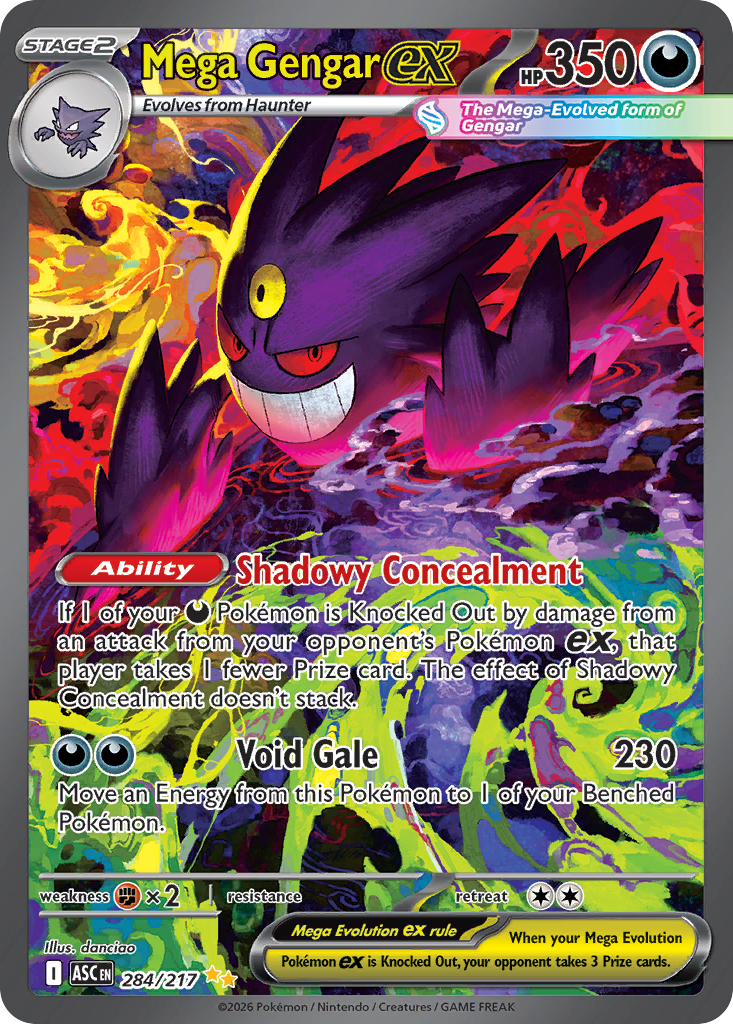
- Is this a category rate or a specific-card rate? “Special Illustration Rares pull about 1 in 70 packs” describes the whole SIR tier — maybe 15-20 different cards. The rate for one specific SIR you actually want, like a particular Mega Pokémon ex, is a fraction of that. In Ascended Heroes, the SIR category sits around 1 in 70 packs, but a single named SIR like Mega Gengar ex is estimated closer to 1 in 1,540 packs — a 20x gap between “an SIR” and “the SIR I want.”
- What’s the sample size? A few hundred packs isn’t enough for anything rarer than an Illustration Rare. Thousands of packs are needed before a “1 in 500+” estimate means much.
- Per pack, per box, or per case? A 24-pack booster box doesn’t guarantee anything beyond what’s printed on the box (usually a Rare or better per pack, no more). Rates quoted “per box” can make an SIR sound more common than it is if you’re only cracking single packs at retail.
- Is the data English-market or mixed with Japanese pulls? Japanese and English print runs for the “same” set often use different sheet configurations, and Japan-first data (which shows up early since Japanese sets typically release months ahead of English) doesn’t always translate directly to English pack odds.
- How fresh is the set? Early post-release data skews toward whoever opened product first — often bulk buyers and streamers who may have bought from the same case or distributor batch, which isn’t a random sample of the full print run.
Case study: Ascended Heroes vs. Perfect Order
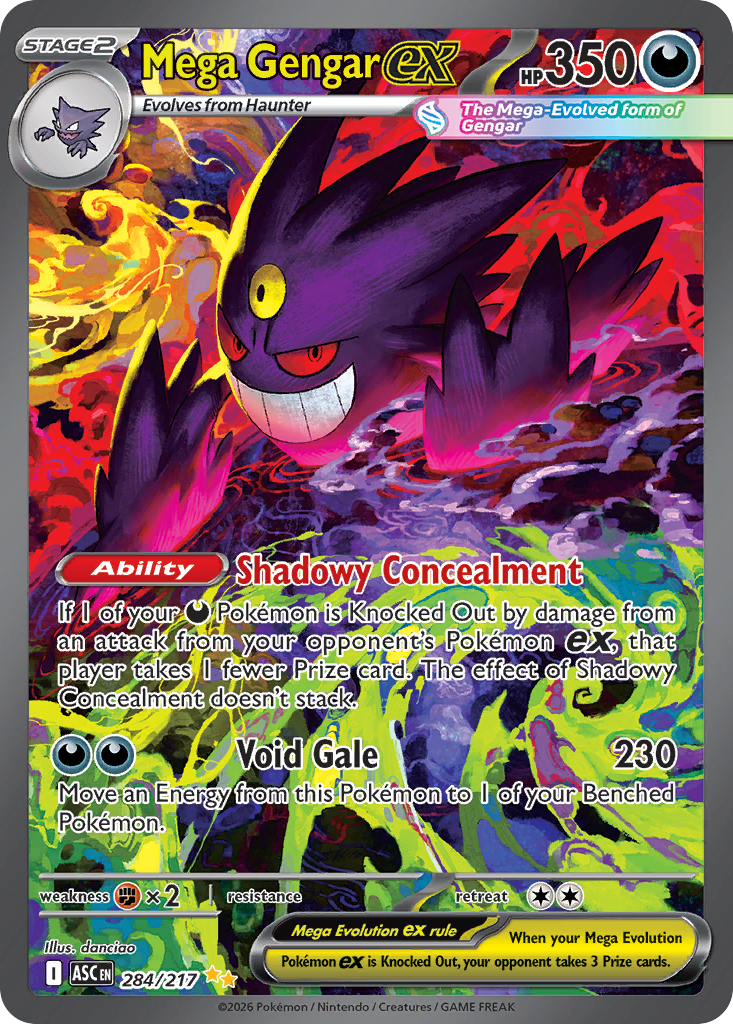
Putting two recent sets side by side shows how much pull rates can vary even within the same general era of design:
| Rarity tier | Ascended Heroes (Jan 2026) | Perfect Order (Mar 2026) |
|---|---|---|
| Double Rare (Pokémon ex) | ~1 in 5 packs | ~1 in 4 packs |
| Illustration Rare (category) | ~1 in 9 packs | ~1 in 6–8 packs |
| Ultra Rare (category) | ~1 in 21 packs | not separately reported |
| Special Illustration Rare (category) | ~1 in 70 packs | ~1 in 50–70 packs |
| Named Mega Hyper Rare (specific card) | ~1 in 540 packs | ~1 in 200 packs (Mega Zygarde ex) |
| Named chase SIR (specific card) | ~1 in 1,540 packs (Mega Gengar ex) | not separately reported |
| “God pack” (all-hit pack) | ~1 in 2,000 packs | not separately reported |
Odds are community-estimated (CardDeckr, aggregated TCGplayer stream + community data), not official Pokémon Company figures, and should be treated as directional rather than exact. As of August 2026.
Notice the Mega Hyper Rare gap between the two sets — 1 in 540 vs. 1 in 200. That’s not necessarily a print-sheet difference; it’s plausibly a sample-size and card-count difference (Perfect Order’s tracked sample was smaller, and different sets have different numbers of Mega Hyper Rares splitting the same rarity slot). This is a good illustration of why you shouldn’t treat any single “1 in X” figure as a fixed law across all Pokémon sets.
Box variance: why any single box tells you nothing
Even if the long-run average is accurate, individual boxes swing wildly around it. Community tracking of hundreds of documented box breaks suggests roughly 15% of boxes run “hot” (two or more times the expected number of hits), another 15% run “cold” (less than half the expected hits), with the remaining ~70% landing somewhere in between. That means a friend posting a video of an amazing box isn’t evidence the set is generous, and a genuinely disappointing box you crack yourself isn’t evidence you got scammed — both are normal outcomes inside a wide probability curve. This is also why case-break math (buying a sealed case rather than a box) tends to regress much closer to the “official” community-estimated average than any single box will.
What “print run” actually means
“Print run” is simply the total number of physical copies of a card (or a set) that Pokémon’s printers actually manufacture. Like pull rates, exact print run figures are not publicly disclosed by The Pokémon Company — nobody outside TPCi and its printers knows the literal card count for, say, Prismatic Evolutions. What collectors and market analysts do instead is infer relative scarcity from proxies: how long a set stays in stock at retail, PSA/CGC population report growth over time, and how prices behave months after release (a card that stays expensive six months out was probably printed in smaller numbers than one that craters).
One important structural fact: TPCi has no reserved list the way some other TCGs restrict reprints of older cards. Pokémon has always kept the explicit right to reprint any card, in any future product, at any time. That single policy decision is arguably more important to long-term card value than any pull-rate statistic, because it means scarcity from a low pull rate can be undone entirely by a later reprint.
Reprints and long-term rarity: two real examples
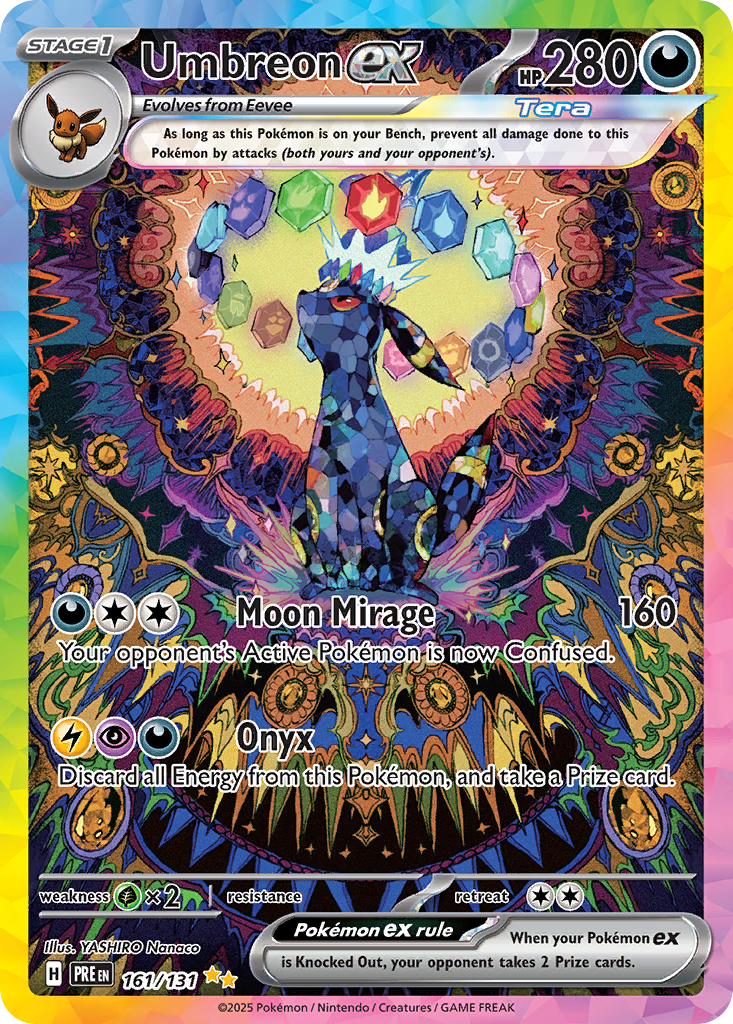
Umbreon ex (Special Illustration Rare, Prismatic Evolutions, #161/131) is the textbook case. It was already a hard pull at release (January 2025) and became a genuine chase card, peaking north of $1,500. When reprint waves and additional Eeveelution-themed products followed later in 2025 and early 2026, community price trackers logged drops of roughly 35-45% in the weeks after each reprint announcement — real money for anyone who bought at the peak expecting the price to only go up. As of early August 2026, TCGplayer market price for this card sits back up around $1,500 again, which is its own lesson: reprint dips aren’t always permanent, but they aren’t predictable either. This is a good reminder that card values fluctuate and none of this is financial advice — treat pricing data as a snapshot, not a forecast.
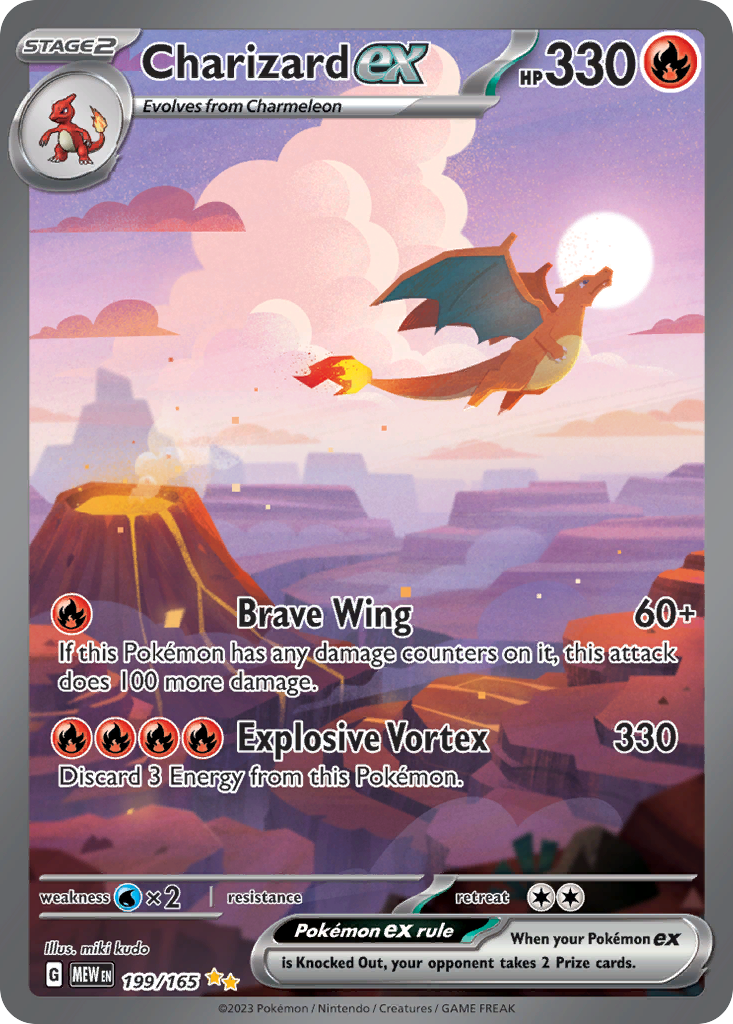
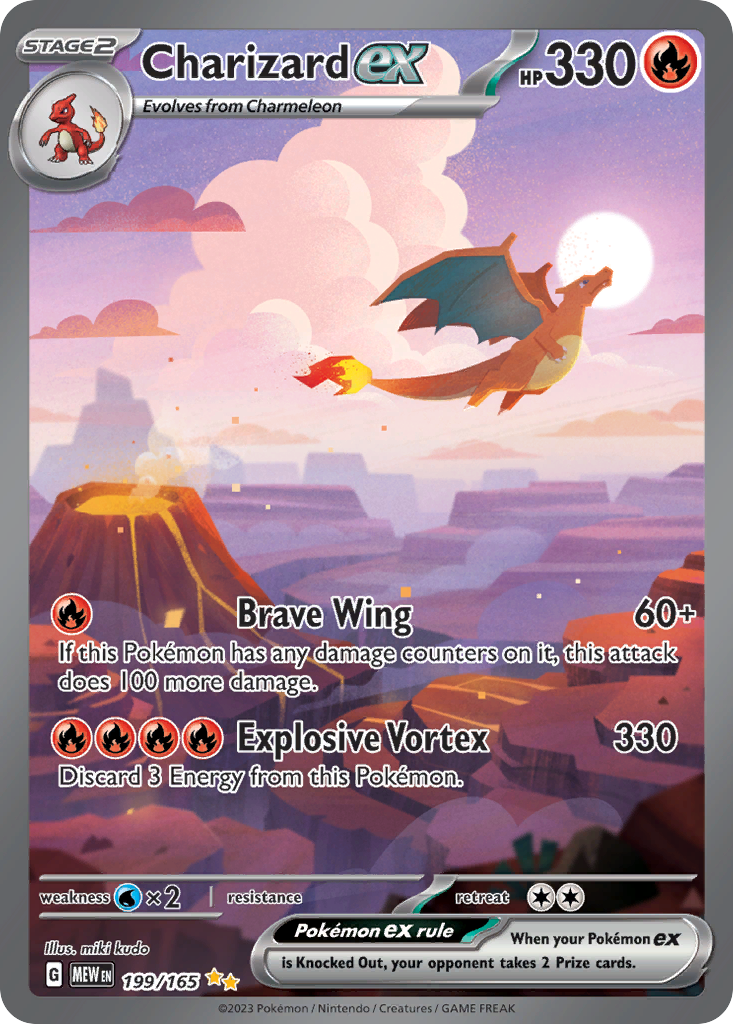
Charizard ex (Special Illustration Rare, 151, #199/165), by contrast, is a useful counter-example. Released back in September 2023, it hasn’t been directly reprinted in an SIR alt-art form, and as of August 2026 it’s still trading around $365-400 on TCGplayer — down somewhat from its all-time highs but nowhere near a Base Set Charizard-style collapse. Not every valuable pull gets undercut by a reprint on any predictable timeline; some sets simply haven’t had their “big” chase card touched again yet. But “hasn’t happened yet” isn’t the same as “can’t happen” — that’s the risk you’re accepting any time you buy a chase card as a long-term hold.
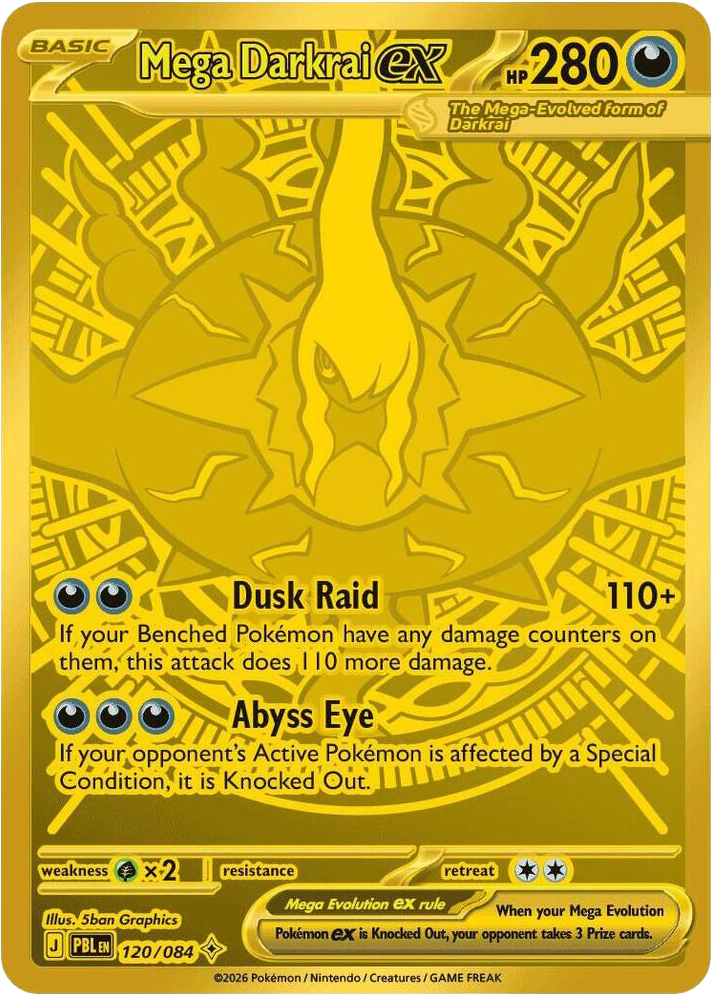
Mega Darkrai ex (Mega Hyper Rare, Pitch Black, #120) shows the other end of the spectrum: a single-per-set secret rare so scarce that pull-rate estimates for its tier in comparable sets land around 1-in-200 to 1-in-540 packs. Cards at this rarity level are the ones most likely to hold long-term value simply because there are so few of them relative to Illustration Rares or Double Rares — but they’re also the cards most likely to headline a future “anniversary reprint” product a few years down the line, exactly the way older chase cards from Hidden Fates and Shining Fates eventually got revisited.
Should pull rates change how you buy?
If your goal is a specific card, buying the single directly is almost always cheaper and more certain than chasing it through packs — pull-rate math above shows why a 1-in-1,000+ card can cost hundreds of dollars in packs to have a coin-flip shot at, versus just buying Umbreon ex Prismatic Evolutions Special Illustration Rare outright. If your goal is the experience of opening packs — which is a completely legitimate reason to buy sealed product — go in expecting the community-average pull rate, not the streamer-highlight-reel rate, and budget accordingly. A Mega Evolution Ascended Heroes Booster Box or Perfect Order Booster Box is entertainment with a statistical floor, not a purchase you should expect to “beat” the odds on. And if buying loose packs or boxes online rather than at retail, stick to sellers you can verify are reputable — resealed or tampered boxes are a real risk in the secondary market, which is a topic we cover in more depth in our guide to buying Pokémon cards online safely.
Frequently asked questions
Does Pokémon guarantee at least one rare per pack?
Modern Scarlet & Violet and Mega Evolution era packs are built around a 10-card structure (roughly 5 commons, 3 uncommons, and 2 slots that include at least one Rare or higher), so yes — every pack has historically included at least one card rare or better. That’s different from a guaranteed hit like a V, ex, or Illustration Rare, which is not promised in every pack.
Why do pull-rate numbers differ between websites?
Different trackers pull from different sample sizes, different mixes of English vs. Japanese data, and sometimes different time windows (early post-release openings vs. months later). Treat any two sites’ numbers as roughly-agreeing estimates rather than expecting them to match exactly — and weight the ones that publish their sample size more heavily.
Is buying a sealed booster box actually better value than buying singles?
It depends entirely on what you’re chasing. For a specific expensive SIR or Mega Hyper Rare, buying the single card almost always costs less than the packs statistically required to pull it. For the fun of opening product, or if you want a full playset of commons/uncommons for a physical deck, a box or case can make sense. Run the math on the card you actually want before assuming boxes are the “value” play.
What does “print run” mean for a card’s long-term value?
Print run is the total number of copies manufactured — a figure Pokémon doesn’t publish. Smaller, deliberately limited print runs (special sets like Hidden Fates or Shining Fates historically) tend to hold value better long-term than mainline expansions, but a low pull rate at launch is not the same guarantee, since TPCi can still reprint any card in a future product with no restriction.
How can I verify a graded or expensive single card is authentic before buying?
Buy from established marketplaces or sellers with verifiable sales history and return policies, check PSA/CGC certification numbers directly on the grading company’s website (not just trusting a seller’s photo), and compare the card’s font, color saturation, and holo pattern against verified images — the Pokémon TCG API is a free way to pull a reference image for any real card. If a “steal” price seems too good relative to community-tracked market data, treat that as a red flag rather than luck.
The takeaway
There is no official Pokémon pull-rate sheet — everything quoted online, including in this article, is a community-built estimate with real margins of error, so treat any single “1 in X” number as directional, not gospel. Category rates (like “1 in 9 for Illustration Rares”) and specific-card rates (like “1 in 1,540 for one named SIR”) are very different things, box-to-box variance is huge even when the long-run average is right, and a low print run today is never a permanent guarantee against a future reprint. If you’re chasing a specific card, know its actual singles price before you calculate whether packs are “worth it” — and if you’re buying sealed product, budget for the average outcome, not the highlight reel. For getting started with collecting or picking your first sealed products, our beginner’s guide to collecting and playing covers where to spend your first budget.
Related Articles
More Trading Card Game Guides
- Dragon Ball Fusion World Pull Rates Explained (2026) (Dragon Ball Super Card Game)
- One Piece Card Game Pull Rates: Are Boxes Worth It? (One Piece Card Game)
- NARUTO CARD GAME Mechanics Explained: The July 29 Reveal (Naruto Card Game)
Comments