※本ページはプロモーションが含まれます
Dragapult ex/Dusknoir is still the deck to beat in Standard as of July 2026, but it no longer has the format to itself — Lillie’s Clefairy ex just won the North America International Championships in New Orleans, and Mega Gardevoir ex, Team Rocket’s Mewtwo ex, and Raging Bolt ex are all putting up real numbers underneath it. If you’re a newer competitive player trying to figure out what to actually build, the short version is: Dragapult is still the safest “learn the format” pick, but it’s not the free win it was right after April’s rotation. Here’s the full breakdown, tier by tier, with real matchup data and what I’d recommend building first.
A quick note before we get into it: this is a snapshot, not gospel. Pokémon’s competitive meta shifts fast — new sets, new tech choices, and even single Regional Championship results can move a deck up or down a tier within a few weeks. Everything below reflects results and community consensus as of late July 2026, shortly after Mega Evolution: Pitch Black released (July 17, 2026). That set is still shaking out competitively, so treat anything Pitch Black-related here as early and subject to change.
- What changed: the April 2026 rotation, in brief
- Quick tier list (July 2026)
- S Tier
- A Tier
- B Tier and the rest of the field
- Comparison: what to actually build
- What should a newer competitive player actually build?
- Frequently asked questions
- Is Dragapult ex still good after the April 2026 rotation?
- What beats Dragapult ex in the current Standard meta?
- When does Standard rotate again, and will these decks still be legal?
- How do I safely buy tournament staple singles online without getting scammed?
- Do I need expensive alt-art cards to be competitive, or does the cheap version work the same?
- Related Articles
- More Trading Card Game Guides
What changed: the April 2026 rotation, in brief
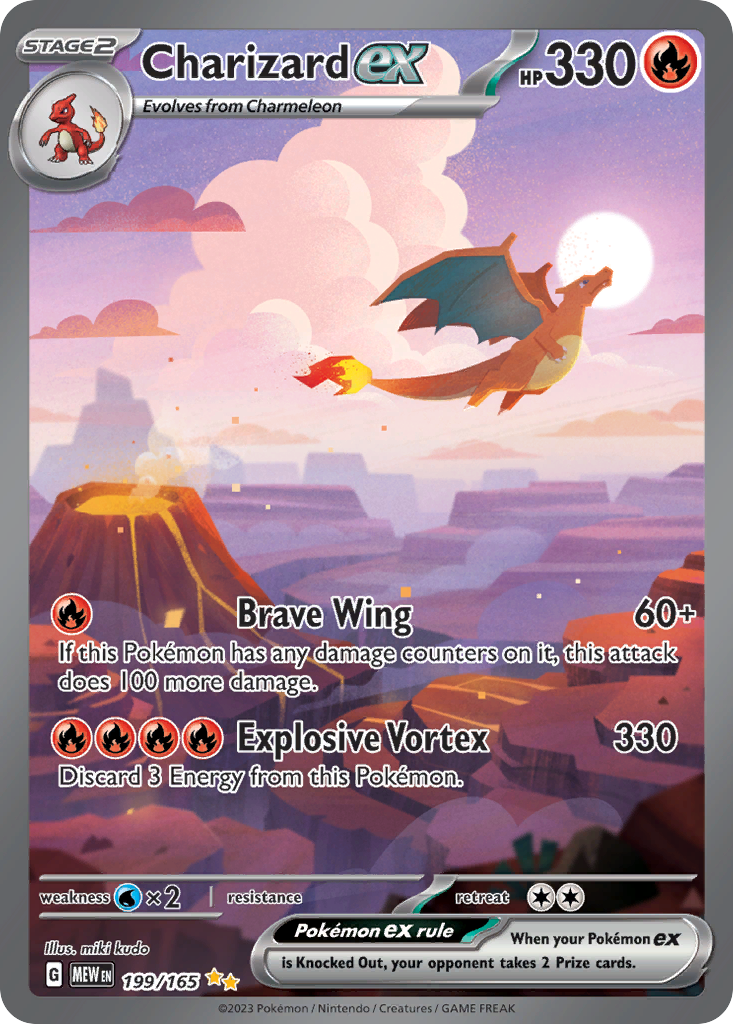
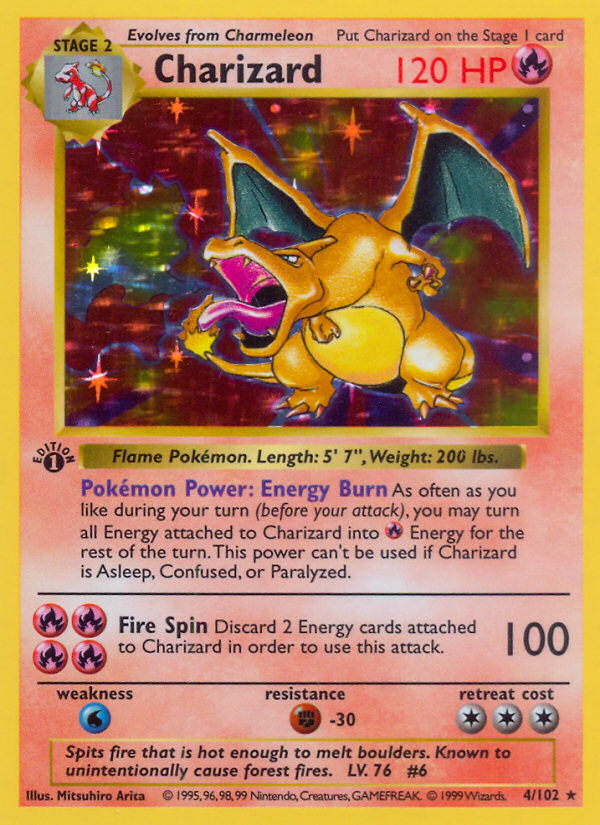
The Standard format rotated on April 10, 2026 for in-person events (March 26 on Pokémon TCG Live), cutting every card with a G regulation mark. That wiped out the entire original Scarlet & Violet base set, Paldea Evolved, Obsidian Flames, 151, Paradox Rift, and Paldean Fates — along with two format-defining decks: the original Gardevoir ex and Charizard ex. Gholdengo ex also rotated out with them, so if you’ve seen older meta write-ups mentioning it as a Dragapult counter, that’s now out of date.
Only cards with H, I, or J regulation marks are tournament-legal now — that means Temporal Forces onward, including Twilight Masquerade, Shrouded Fable, Stellar Crown, Surging Sparks, Prismatic Evolutions, Journey Together, Destined Rivals, Black Bolt/White Flare, and the Mega Evolution era sets (Mega Evolution, Ascended Heroes, and now Pitch Black).
Losing two S-tier decks in one rotation created a real power vacuum, and Dragapult ex — which kept nearly all of its support cards — walked right into it.
Quick tier list (July 2026)
| Tier | Deck | Identity | Best win vs. | Worst matchup |
|---|---|---|---|---|
| S | Dragapult ex / Dusknoir | Fast, evolving-line aggro with a one-shot KO combo | Charizard/Raging Bolt-style basics | Lillie’s Clefairy ex |
| S | Lillie’s Clefairy ex | Bench-count damage scaling + Dragon-type Weakness swap | Dragapult ex | Wide, low-bench aggro |
| A | Mega Gardevoir ex | Energy-acceleration scaling attacker | Slower control decks | Fast single-prize aggro |
| A | Team Rocket’s Mewtwo ex (box) | Discard-for-damage finisher with Crustle support | Bulky ex decks | Decks that deny bench Team Rocket count |
| A | Raging Bolt ex | Hand-refresh + energy-discard nuke | Dragapult ex | Mega Gardevoir ex |
| B | Hydrapple ex | Grass energy-stacking scaling attacker | Mega Darkrai ex, other Fire/Psychic ex decks | Dragapult ex speed |
| B | N’s Zoroark ex | Cheap draw engine, borrows Bench attacks | Rogue/slow decks | Dragapult ex |
| B | Mega Lucario ex / Hariyama | Fighting-type draw + Boss’s Orders-style Ability | Grindy midrange | Lillie’s Clefairy ex |
| B | Teal Mask Ogerpon ex + Mega Meganium ex | Grass rush, damage-doubling combo | Formerly Charizard-heavy fields | Wide bench decks |
| C | Alakazam / Dudunsparce | Single-prize control/draw shell | Prize-trade wars | Big one-shot attackers |
Meta share and exact percentages weren’t publicly logged for every event, but Dragapult-family lists occupied roughly half of the Top 25 at the June 2026 NAIC — a strong signal of just how dominant the archetype currently is.
S Tier
Dragapult ex / Dusknoir
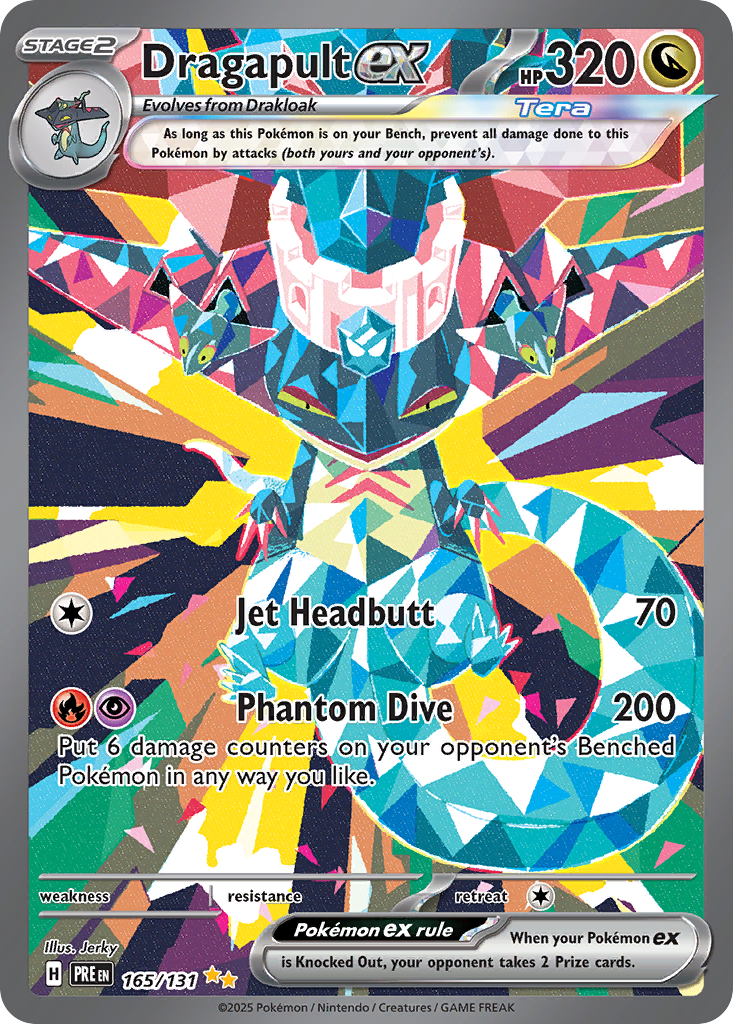
This is still the deck that everyone else in the format is trying to answer. The plan is simple on paper: hide behind a cheap wall early, evolve into multiple Dragapult ex for consistent Jet Headbutt damage (70 for a single Colorless Energy), and close games out with Dusknoir’s Cursed Blast Ability — once per turn you can drop 13 damage counters (130 damage) directly onto an opposing Pokémon, at the cost of Knocking Out your own Dusknoir. Paired with Drakloak’s card-drawing support and disruption like Unfair Stamp, it’s a deck that both outpaces and outgrinds a lot of the format.
Why it’s still S-tier: it lost almost nothing to rotation, it’s cheap by ex-deck standards to pilot correctly, and it punishes decks that can’t answer a 130-damage snipe out of nowhere.
The catch: Lillie’s Clefairy ex is specifically built to beat it — its Fairy Zone Ability turns every Dragon-type Pokémon’s Weakness to Psychic, which lines up brutally against Dragapult. If you’re building this deck expecting an easy road to Worlds, know that the reigning NAIC champion is a direct, popular counter.
Lillie’s Clefairy ex
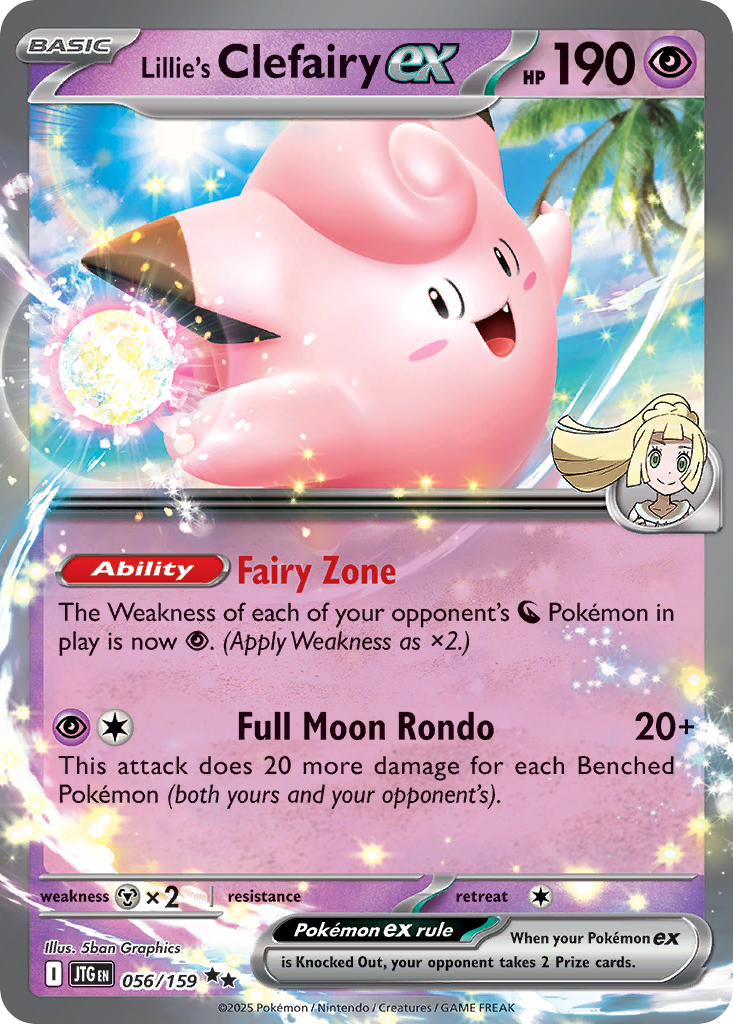
James Kowalski won the 2026 North America International Championships (New Orleans, June 12–14) with this deck, and it’s since been showing up in growing numbers at Regionals. Lillie’s Clefairy ex’s Full Moon Rondo attack does 20 damage plus 20 more for every Benched Pokémon in play — yours and your opponent’s combined — so the winning list leans on Area Zero Underdepths (four copies) to inflate its own bench and turn a modest base attack into a genuine one-shot threat. Its Fairy Zone Ability is the real headline, though: it flips Dragon-type Weakness to Psychic, which is exactly what beats Dragapult ex.
Why it’s S-tier: it has a dedicated, favorable answer to the single most popular deck in the format, plus a legitimate NAIC trophy backing it up.
The catch: it needs its bench full to hit hard, so decks that keep their own board thin (or that can Knock Out your support Pokémon before you set up) can starve the deck’s damage output. It’s also a genuinely difficult list to pilot correctly — the winning decklist runs a tight balance of draw support (Squawkabilly, Lumineon, Mew) that a newer player can easily misplay.
A Tier
Mega Gardevoir ex

Not to be confused with the now-rotated original Gardevoir ex from Paldean Fates — this is a different card entirely, introduced in the Mega Evolution set and reprinted in Ascended Heroes. Overflowing Wishes searches your deck for a Basic Psychic Energy for every Benched Pokémon you control and attaches them all at once, then Mega Symphonia scales its damage by 50 for every Psychic Energy attached across your whole board. Once it’s online, it hits absurdly hard.
Why it’s A-tier: the energy acceleration is some of the fastest in the format, and once you’re set up you’re outdamaging almost everything.
The catch: it’s genuinely unfavored against fast single-prize aggro and anything that can pressure the Mega Gardevoir ex itself before the energy engine gets rolling — Mega Pokémon give up the Mega Evolution Rule bonus prize when Knocked Out, so a rushed Mega Gardevoir ex is an expensive mistake.
Team Rocket’s Mewtwo ex (box)
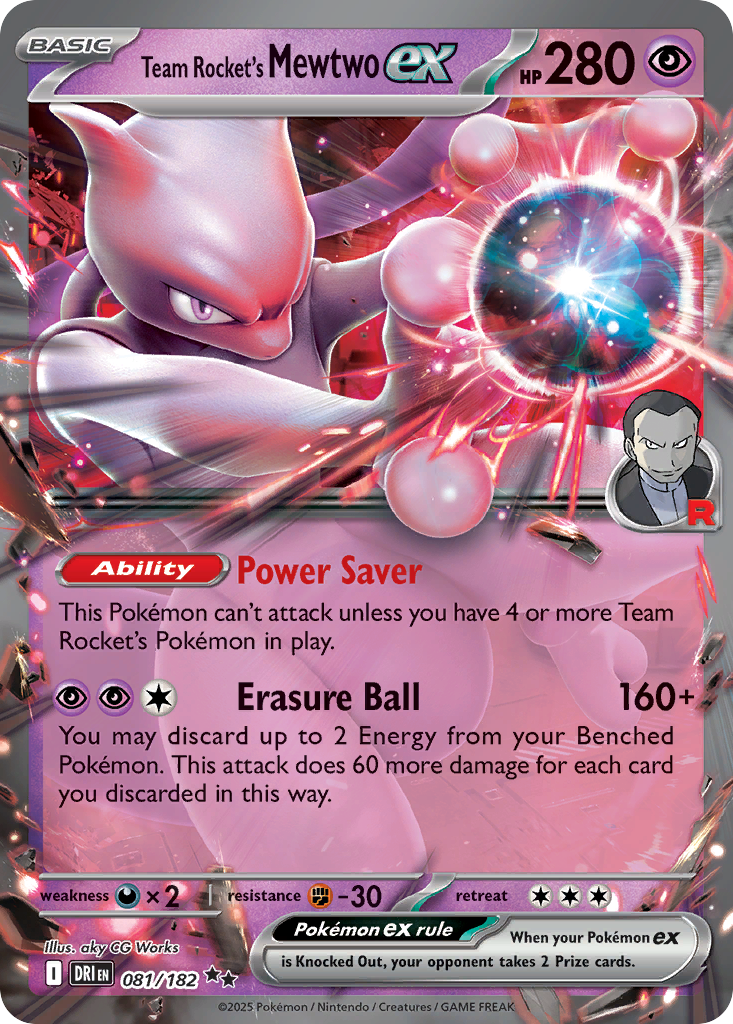
This is a “box” deck — it doesn’t run a single evolution line, it runs a toolkit of Team Rocket’s Pokémon that all support each other. Team Rocket’s Mewtwo ex can’t attack at all until you have four or more Team Rocket’s Pokémon in play (its Power Saver Ability locks it out), but once that condition is met, Erasure Ball does 160 damage and can discard up to two Energy from your Bench for 60 more damage each — up to 280 in a single hit. Crustle (from Black Bolt and Destined Rivals) is a common one-prize attacker slotted into these lists for efficient early trades.

Why it’s A-tier: it’s flexible, has real single-prize pieces to soften prize trades, and hits like a truck once online.
The catch: the setup requirement (four Team Rocket’s Pokémon in play) is a real tax — against fast decks that pressure you early, you can lose before Mewtwo ever throws a punch.
Raging Bolt ex
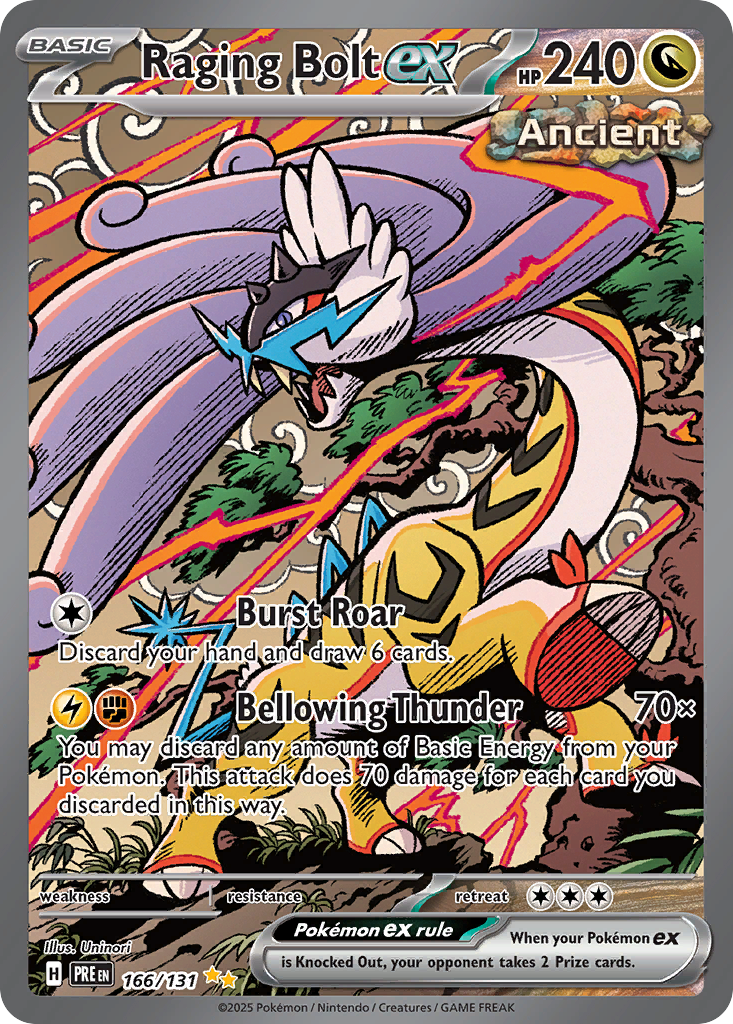
The most commonly cited “answer” to Dragapult ex outside of Lillie’s Clefairy ex. Burst Roar refills your hand (discard your hand, draw 6), and Bellowing Thunder does 70 damage for every Basic Energy you discard from your own Pokémon — it’s not unusual to see a 210+ damage swing out of nowhere. Against a Dragapult deck that hasn’t set up disruption yet, that kind of raw damage from a single Basic Pokémon is hard to answer.
Why it’s A-tier: favorable into the format’s most popular deck, and it doesn’t need an evolution line to function.
The catch: Mega Gardevoir ex’s damage output scales even faster once it’s online, and Raging Bolt ex’s all-in Bellowing Thunder plan leaves you with an empty hand if the swing doesn’t close the game immediately.
B Tier and the rest of the field
Hydrapple ex is a slower, grindier Grass-type deck — Ripening Charge lets you attach a Grass Energy and heal 30 damage in the same turn, and Syrup Storm scales with total Grass Energy on your board. It’s notably good against Mega Darkrai ex, the headline chase card from the new Pitch Black set — we covered that matchup in more detail in our Pitch Black best pulls breakdown, since it’s relevant if you pulled a Mega Darkrai ex and are wondering whether it’s actually good right now (short answer: it’s currently a rough matchup for that deck). Hydrapple’s downside is straightforward speed — Dragapult ex can often just outrace it before Syrup Storm gets big.
N’s Zoroark ex posted consistent Top 16 finishes at NAIC 2026 with a cheap Trade Ability (discard a card, draw two) and Night Joker, which lets it borrow an attack from a Benched N’s Pokémon. It’s a low-investment, high-skill-ceiling deck, but it’s not favored against Dragapult ex’s raw speed.
Mega Lucario ex / Hariyama is a Fighting-type midrange option with strong built-in draw support, but it’s specifically vulnerable to Lillie’s Clefairy ex, which is a real problem given that deck’s rising popularity.
Teal Mask Ogerpon ex paired with Mega Meganium ex (from Ascended Heroes) became noticeably safer to play once Charizard ex rotated out, since Charizard was one of its worst matchups. Mega Meganium’s Ability doubles the damage of Grass attacks on your side, turning Ogerpon’s already-solid numbers into real knockout power.
Alakazam / Dudunsparce is the format’s best single-prize option right now — no ex or Mega Pokémon means your opponent never gets a bonus prize for Knocking one of your attackers out, which matters a lot in longer games. It trades damage output for that resilience, though, so it can struggle against decks built purely to end games fast.
Comparison: what to actually build
| Deck | Tier | Playstyle | Rough cost to build the core attackers* | Good for |
|---|---|---|---|---|
| Dragapult ex / Dusknoir | S | Aggro | Moderate | Learning the format, general-purpose |
| Lillie’s Clefairy ex | A/S | Combo/scaling | Moderate–high | Players comfortable with tighter lists |
| Mega Gardevoir ex | A | Ramp/scaling | Moderate | Players who like a payoff turn |
| Team Rocket’s Mewtwo ex | A | Box/toolbox | Higher (many singles) | Players who like flexible decks |
| Raging Bolt ex | A | All-in aggro | Moderate | Players who want a Dragapult answer |
| Alakazam / Dudunsparce | C | Single-prize control | Lower | Budget-conscious, prize-trade-focused players |
*Rough cost is a relative comparison of the singles needed for a competitive core, not exact pricing — see the disclaimer below.
What should a newer competitive player actually build?
If you’re newer to competitive Standard and picking your first deck, I’d steer you toward one of two paths depending on your budget and risk tolerance:
- If you want to learn the format’s fundamentals and don’t mind a bit of a target on your back: build Dragapult ex/Dusknoir. It’s the deck most of your local tournament will be built to beat, which teaches you a lot about sequencing and disruption, and its core pieces (Dragapult ex, Dusknoir, Drakloak) show up across several strong Prismatic Evolutions and Journey Together lists, so singles aren’t hard to find. Dragapult ex (Prismatic Evolutions #165)
- If you’d rather avoid the “everyone hates my deck” spotlight and keep costs down: Alakazam/Dudunsparce is the cheapest legitimately competitive option in Standard right now, since it avoids ex/Mega bonus-prize risk entirely.
For either route, buying singles from Journey Together or Prismatic Evolutions booster boxes to fill out your playset is usually cheaper per card than buying every single individually once you factor in bulk pulls you can sell or trade — worth comparing both routes before you commit. Journey Together Booster Box Prismatic Evolutions Elite Trainer Box
One more practical tip regardless of what you build: sleeve your deck in opaque, tournament-legal sleeves before you ever shuffle it into a game — a scuffed alt-art Special Illustration Rare loses resale value fast, and most tournament organizers require non-marked sleeves anyway. Ultra Pro Pro-Fit Sleeves
A quick disclaimer: card prices and the competitive meta both move fast, and nothing in this article is financial advice. Treat the pricing comparisons above as rough, directional guidance as of late July 2026, not a guarantee of what you’ll pay when you go shopping — always check current listings before buying.
Frequently asked questions
Is Dragapult ex still good after the April 2026 rotation?
Yes — it’s arguably the best it’s been all year. The rotation removed two of its biggest rivals (the original Gardevoir ex and Charizard ex) while leaving almost all of Dragapult’s own support intact, which is why it made up roughly half of the Top 25 at the June 2026 NAIC.
What beats Dragapult ex in the current Standard meta?
Lillie’s Clefairy ex is the most direct counter — its Fairy Zone Ability turns Dragon-type Weakness to Psychic, which lines up specifically against Dragapult. Raging Bolt ex is also considered a favorable matchup thanks to its high burst damage from Bellowing Thunder.
When does Standard rotate again, and will these decks still be legal?
The last rotation was April 10, 2026 (removing all G-regulation-mark cards). Pokémon typically rotates Standard on roughly an annual cadence, so based on that pattern the next rotation likely won’t hit until spring 2027 — but always confirm with an official Play Pokémon announcement before assuming a card’s status, since the exact schedule can shift.
How do I safely buy tournament staple singles online without getting scammed?
Stick to established marketplaces (TCGplayer, Cardmarket, or your local game store’s online shop) rather than unverified social media sellers, and check seller ratings and return policies before buying expensive Special Illustration Rares like a Dragapult ex #165. If a price looks dramatically below market for a chase card, that’s a red flag worth investigating before you pay.
Do I need expensive alt-art cards to be competitive, or does the cheap version work the same?
The cheap version works identically on the tournament table — a card’s rarity and alternate art have zero effect on its in-game text or stats. For example, Lillie’s Clefairy ex’s inexpensive Double Rare printing (#56, around $2–3 as of July 2026) plays exactly the same as the roughly $125 Special Illustration Rare version (#184). Buy the cheap copy to play; only buy the expensive one if you specifically want it for your collection.
Takeaway: Dragapult ex/Dusknoir remains the deck to beat in Standard as of July 2026, but it’s not an unchallenged format the way it was right after rotation — Lillie’s Clefairy ex has a real, tournament-proven answer, and Mega Gardevoir ex, Team Rocket’s Mewtwo ex, and Raging Bolt ex are all legitimate A-tier alternatives. If you’re building your first competitive Standard deck, start with whichever of those fits your budget and playstyle, and keep an eye on how the meta shifts now that Pitch Black cards are entering the format.
Related Articles
- How to Build Your First Standard Pokémon TCG Deck
- Pokémon TCG Beginner’s Guide 2026: What to Buy First
More Trading Card Game Guides
- One Piece Card Game Leader Tier List: OP-16 Meta Guide (One Piece Card Game)
- Dragon Ball Fusion World Leader Tier List (Aug. 2026) (Dragon Ball Super Card Game)
- NARUTO CARD GAME Mechanics Explained: The July 29 Reveal (Naruto Card Game)
Comments